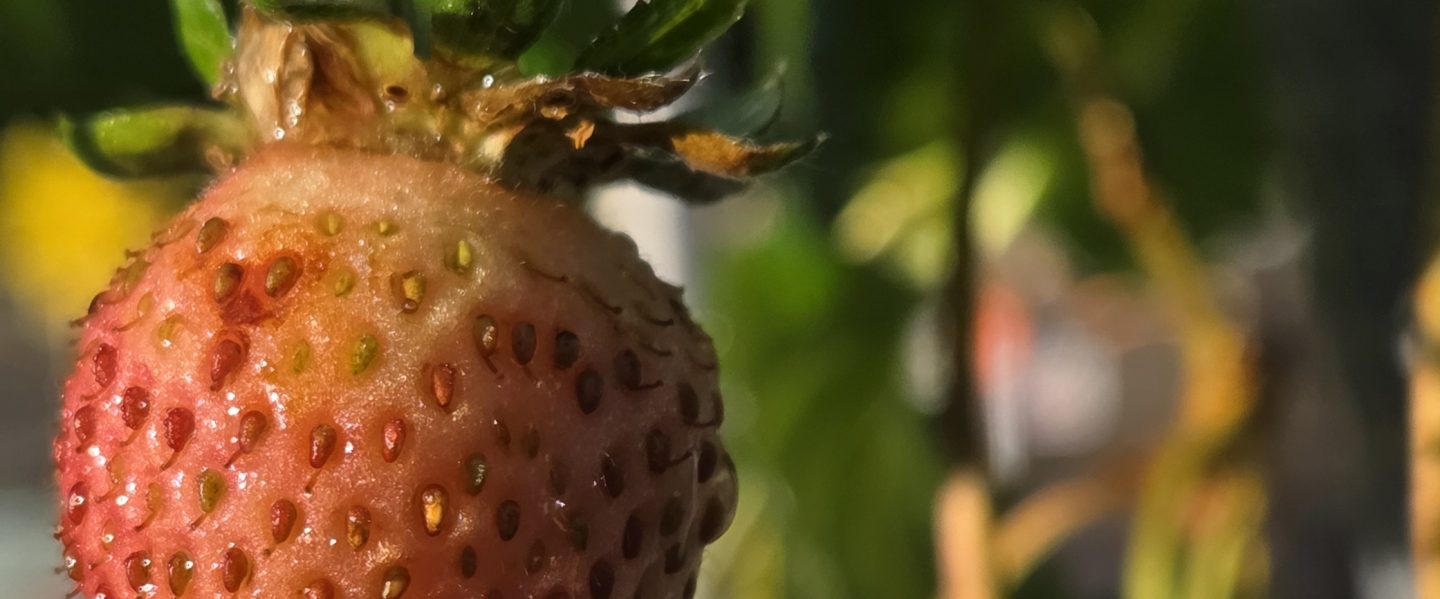
How Much Can We Produce for Our Thanksgiving Table?
There are 105 days until Thanksgiving.
And I’ve decided to ask a question:
How much of our Thanksgiving dinner can be produced right here at Buttervale?
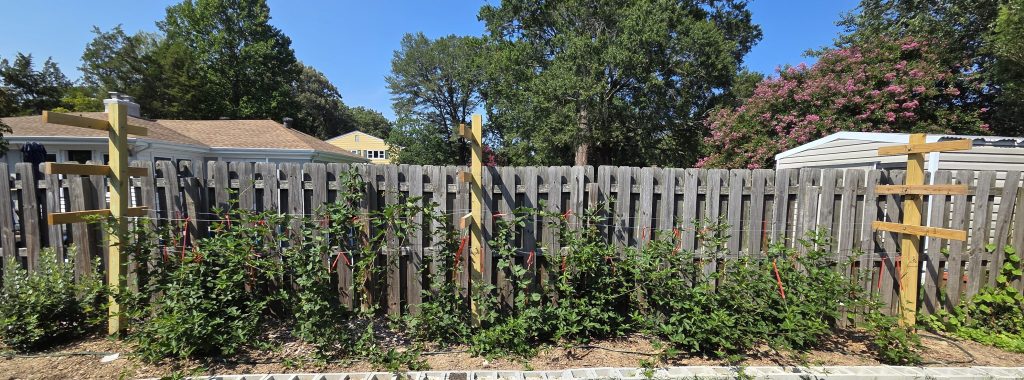
Not because I think the grocery stores are going to fail. Not because I’m planning to become completely self-sufficient.
Certainly not because growing a carrot in the backyard is necessarily cheaper than buying a bag of them at the supermarket.
I am a little scared to do the math on that, to be honest. I don’t need to know I am eating a $70 carrot.
Healthier. Tastier. Better for the environment. Far more rewarding. Yes to all.
Definitely not cheaper.
In the end, I’m doing this because I think knowing where our food comes from matters.
I think food security matters.
I think teaching our children and grandchildren where food comes from matters.
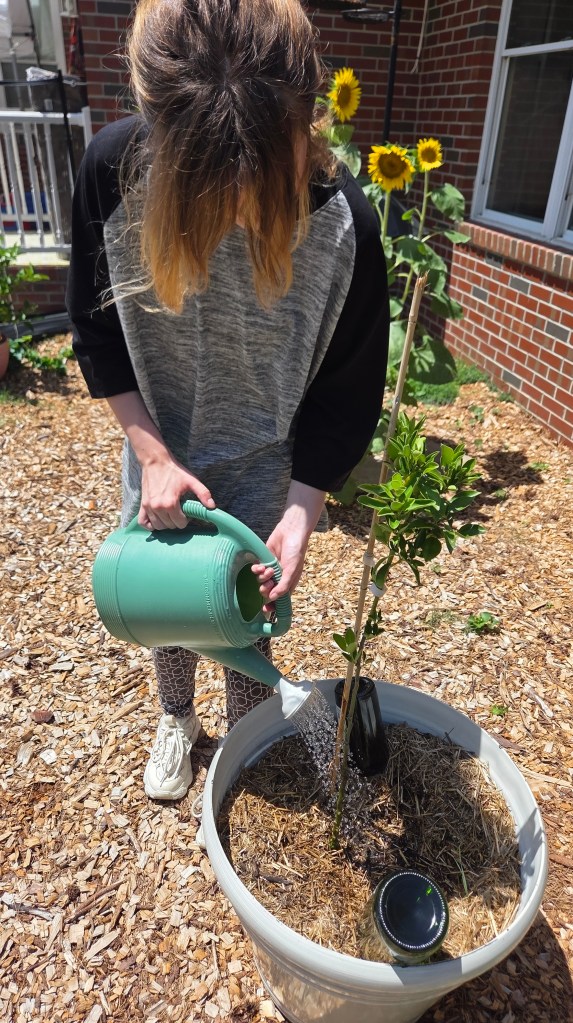
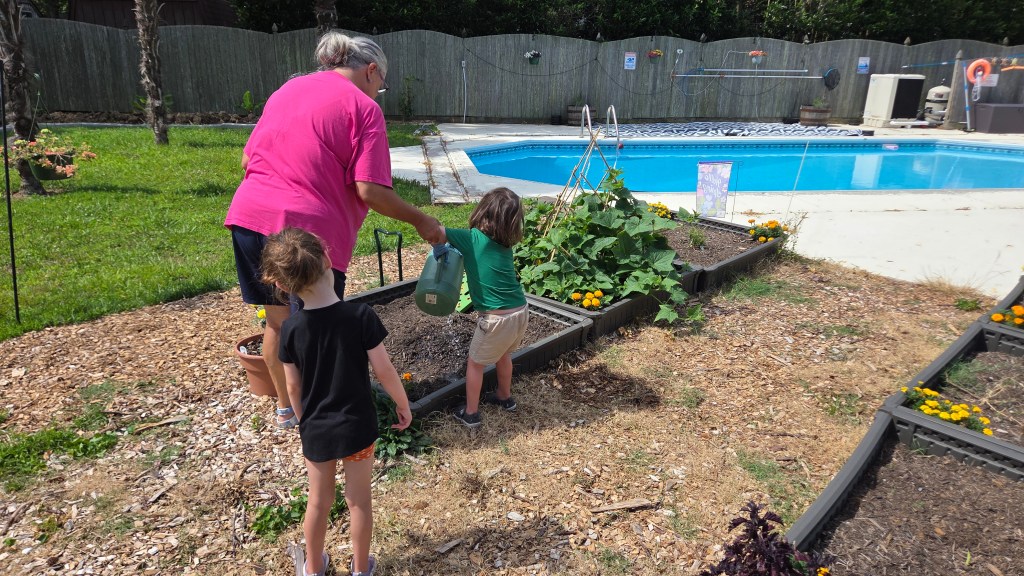
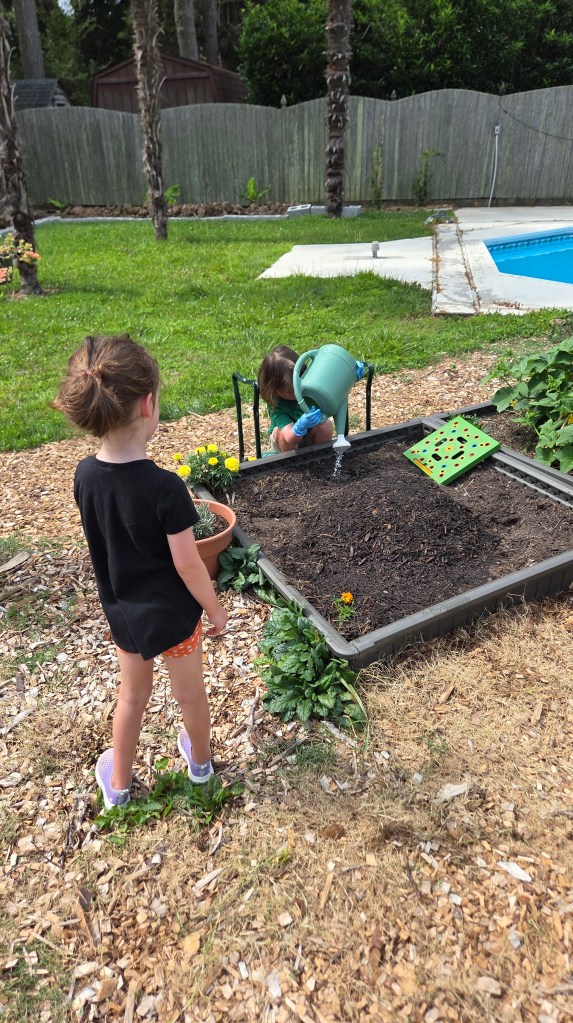
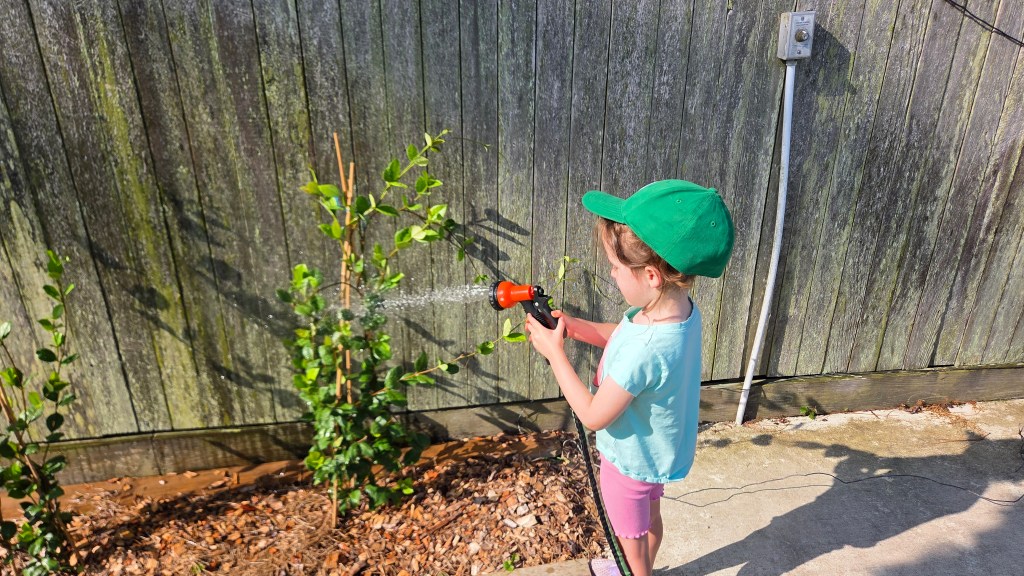
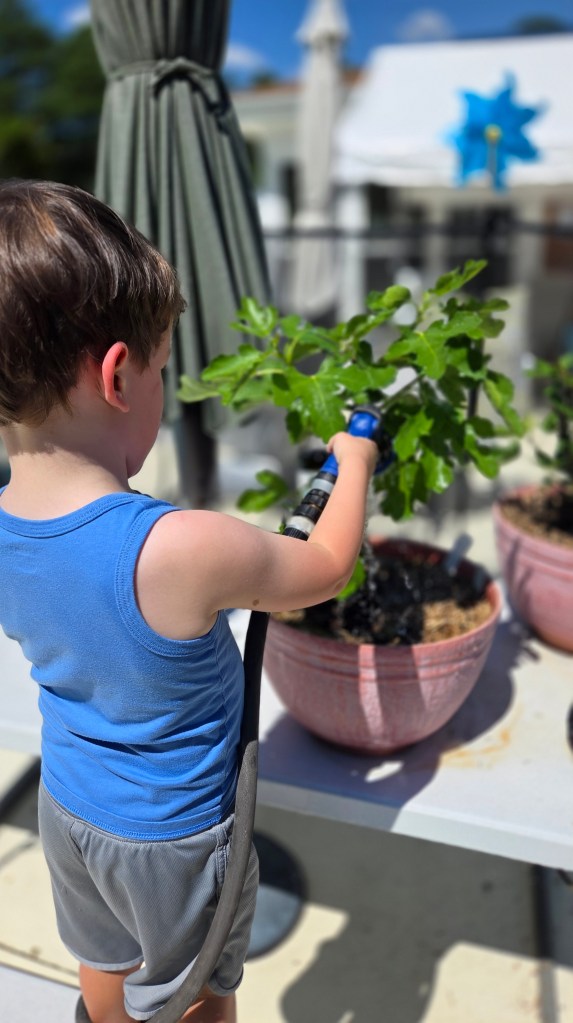
And I think these thngs matter more every single day.
The Thanksgiving Garden
The idea started rather simply.
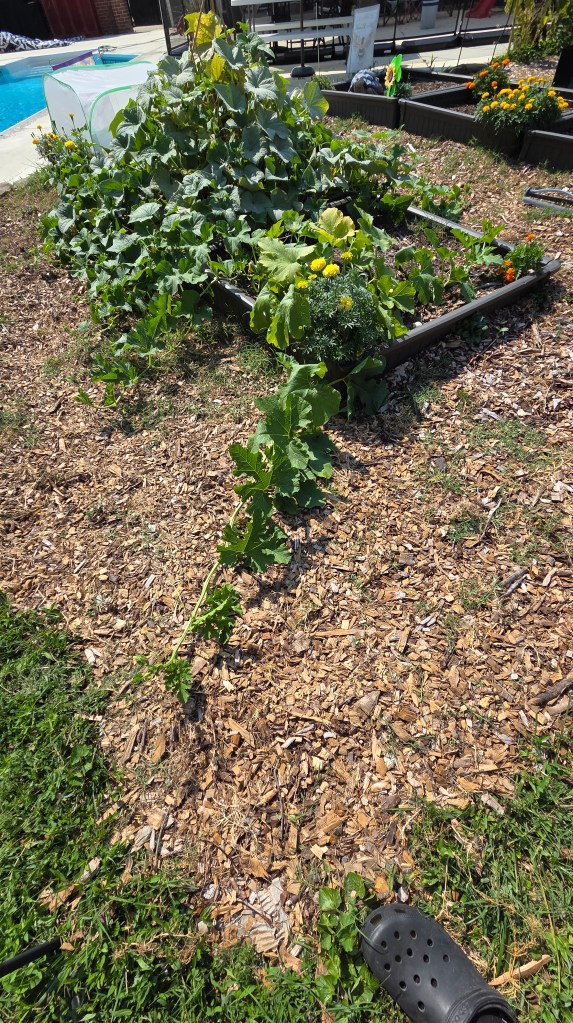
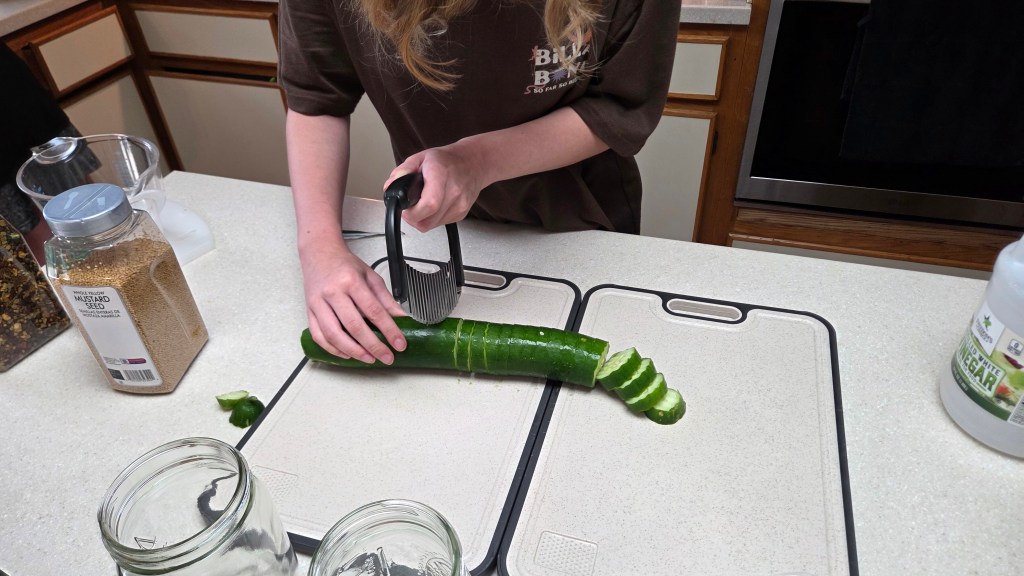
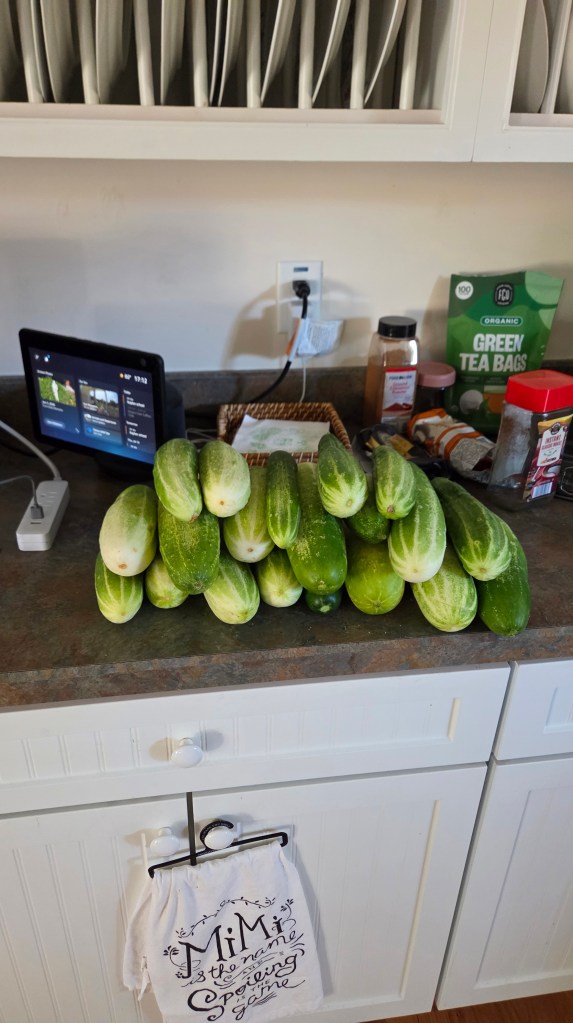
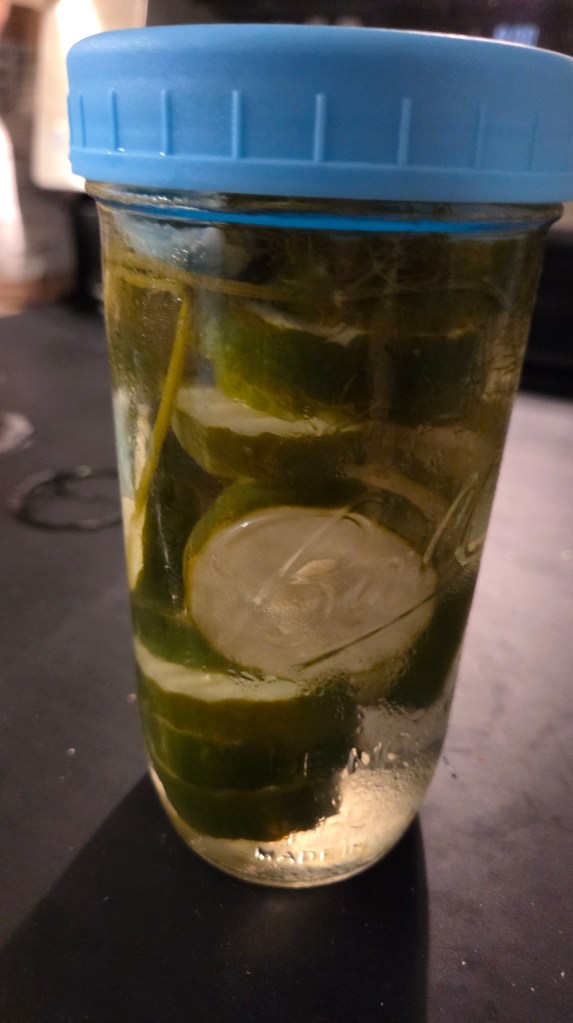
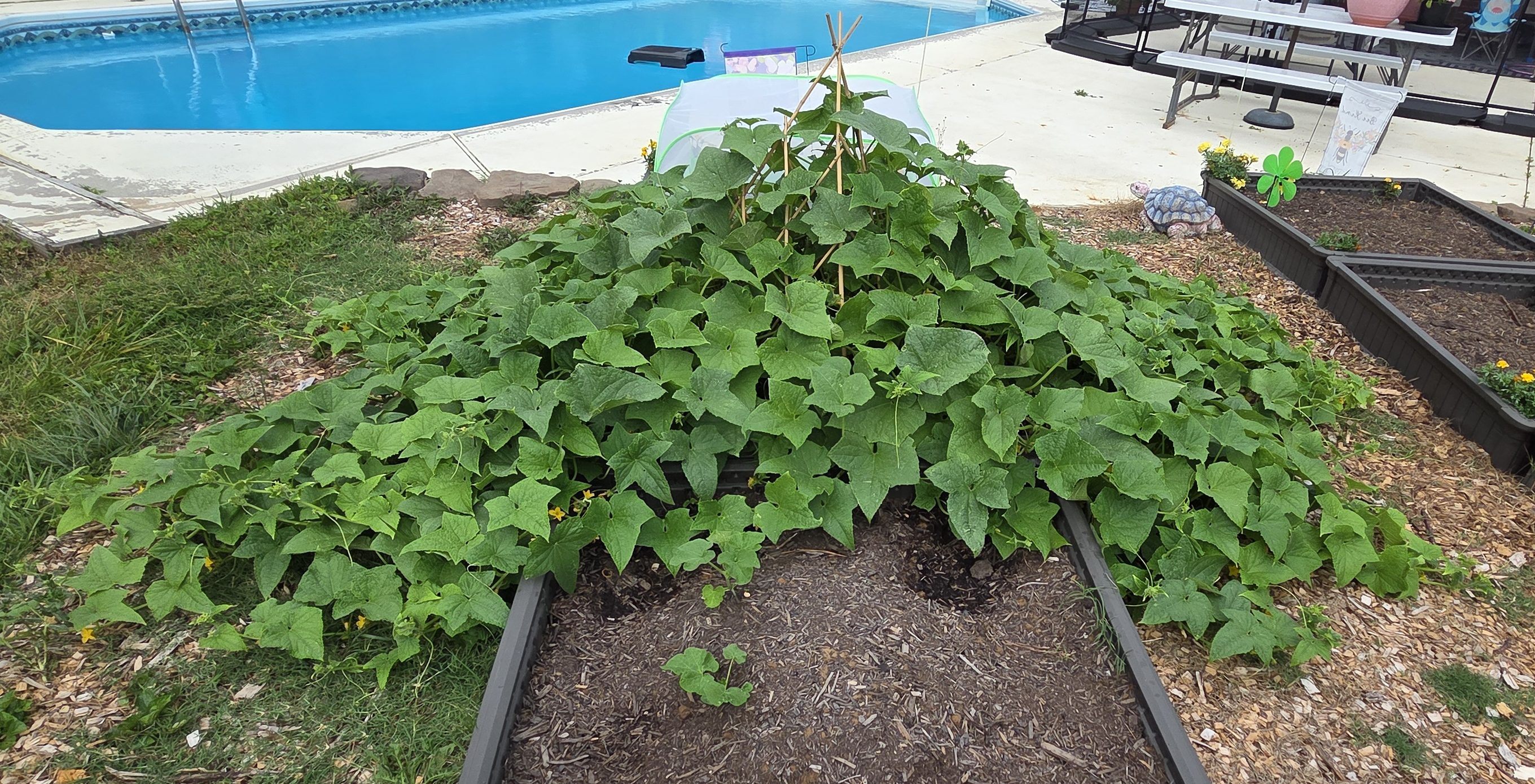
I already had sweet potatoes growing. There were bush beans in the garden. Pumpkins were spreading across the yard. Cucumbers had already become quarts of homemade dill pickles.
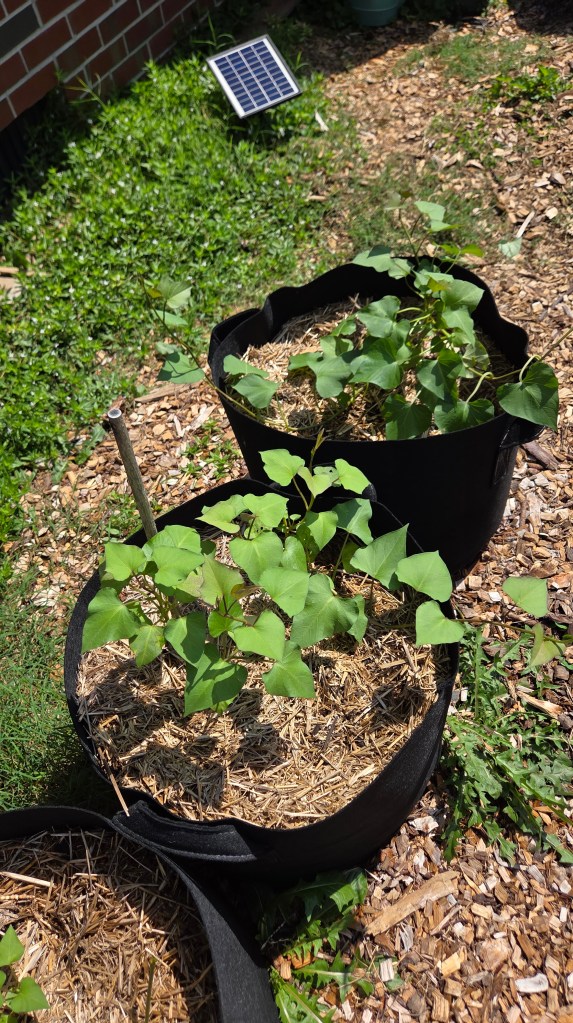
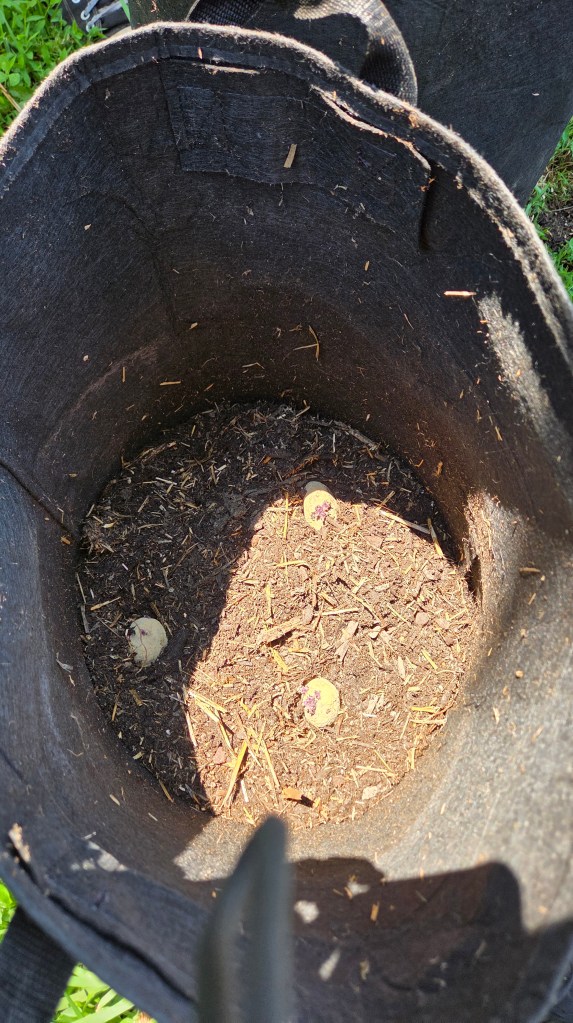
Then I ordered some fantastic, organic potatoes from Maine, specifically with Thanksgiving in mind.
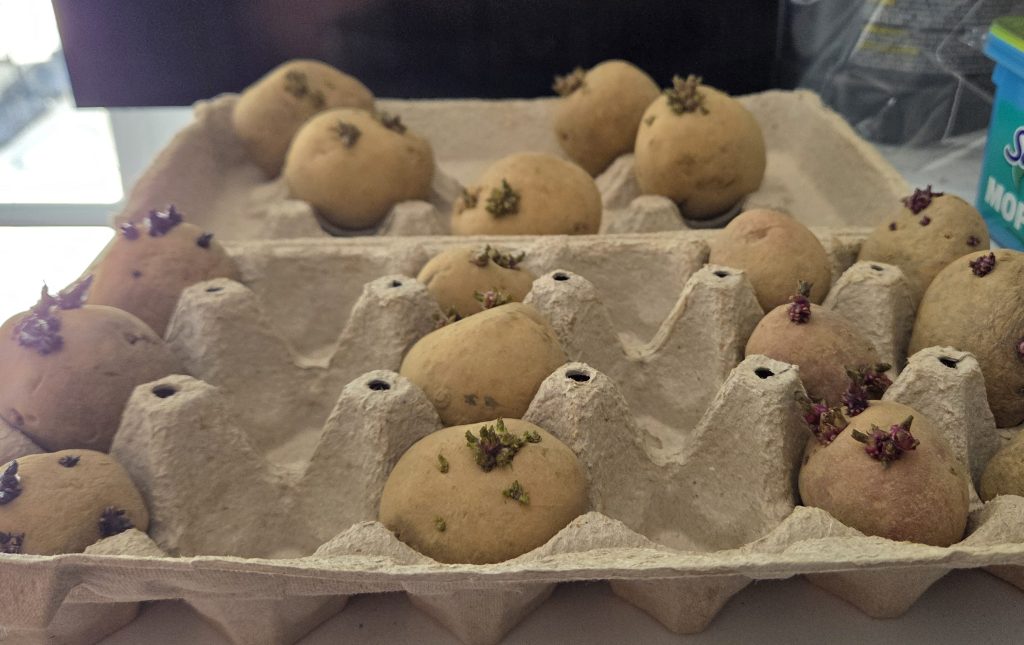
That got me thinking.
Why stop there?
I have seeds for carrots, kale, Swiss chard, spinach, lettuce, radishes and cabbage. We’re adding broccoli. There are empty raised beds waiting to be planted and plenty of grow bags.
Suddenly this wasn’t just the Fall vegetable garden.
It’s the Buttervale Thanksgiving Garden.
The goal isn’t necessarily to produce everything we eat on Thanksgiving.
The goal is to see how much we can produce.
That’s the experiment.
Can the mashed potatoes come from the backyard?
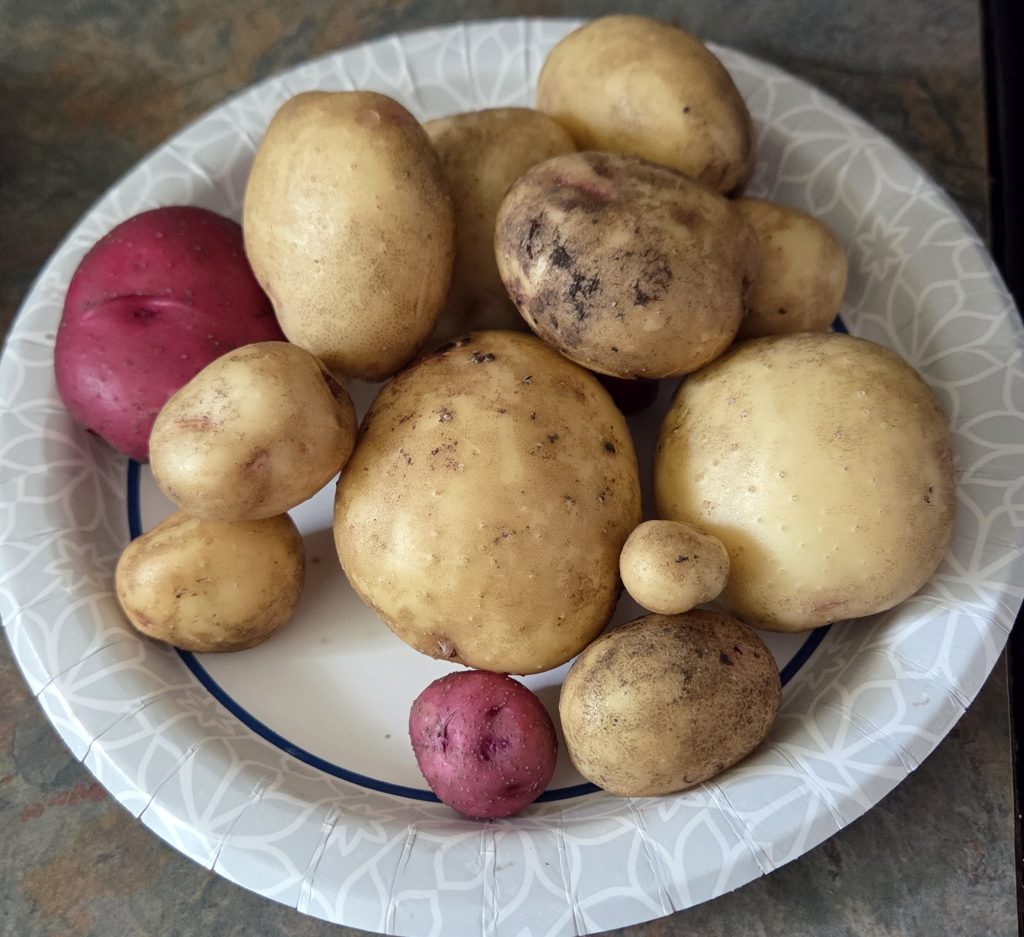
What about the sweet potato casserole?
The green beans?
Carrots?
Greens?
Could the pumpkin in the pie have grown 30 feet from the kitchen where the pie is baked?
And then there are the things that don’t have to come from a garden at all.
What if the bread or rolls are baked from scratch?
What if the pie crust isn’t pulled from a freezer?
What if the herbs come from just outside the kitchen door?
I have parsley, sage, rosemary and thyme growing.
Taking the idea another step or two, it is easy to watch people with a little more property raise chickens and put their own eggs into those pies and breads. Some families raise turkeys, pigs, cattle, goats or sheep. Others preserve summer tomatoes, make their own jam, can green beans, freeze corn, make pickles, dry herbs or put away fruit from their trees.
Generically, I guess we call those people farmers and it seems to me that they are a dying breed.
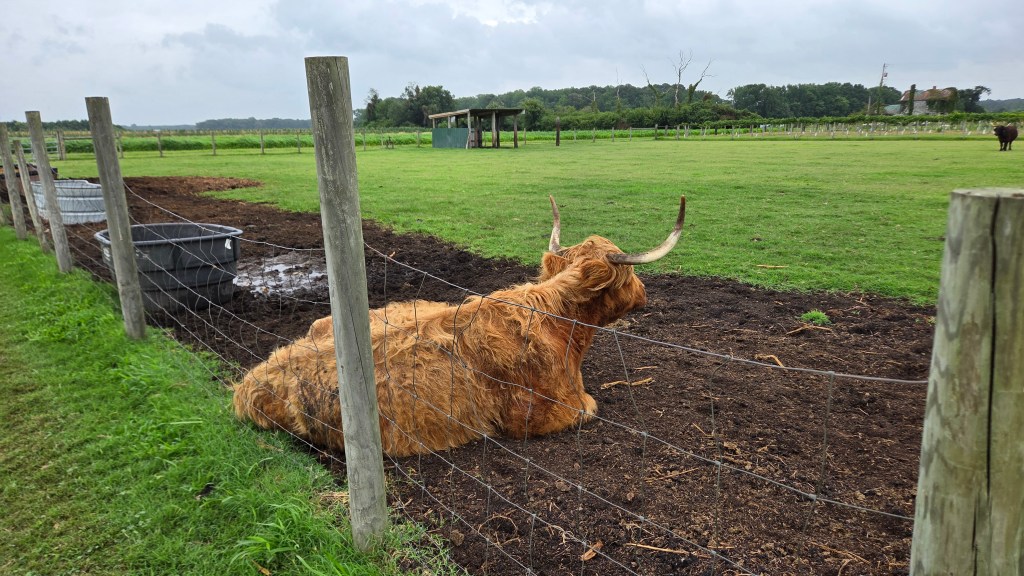
Very few of us are going to produce everything we eat. (I am never going to grow coffee or chocolate, so there’s that.)
However, far too few of us produce even one thing we can eat.
How much could we produce?
This year? Next year? in ten years?
Can it be a standing challenge to see if, every year, we can produce a little more for our Holiday?
Perhaps the more interesting question is:
Does it matter?
I Like to Think It Does
Most of us have become remarkably disconnected from our food.
Potatoes come in bags from the grocery store.
Green beans come in cans and get mixed with soup from a can and sprinkled on top with fried onions from a can.
Corn from the freezer.
Bread comes from a truck wrapped in plastic.
Meat comes neatly vacuum packed or packaged on a foam tray. From where? South America or down the road?
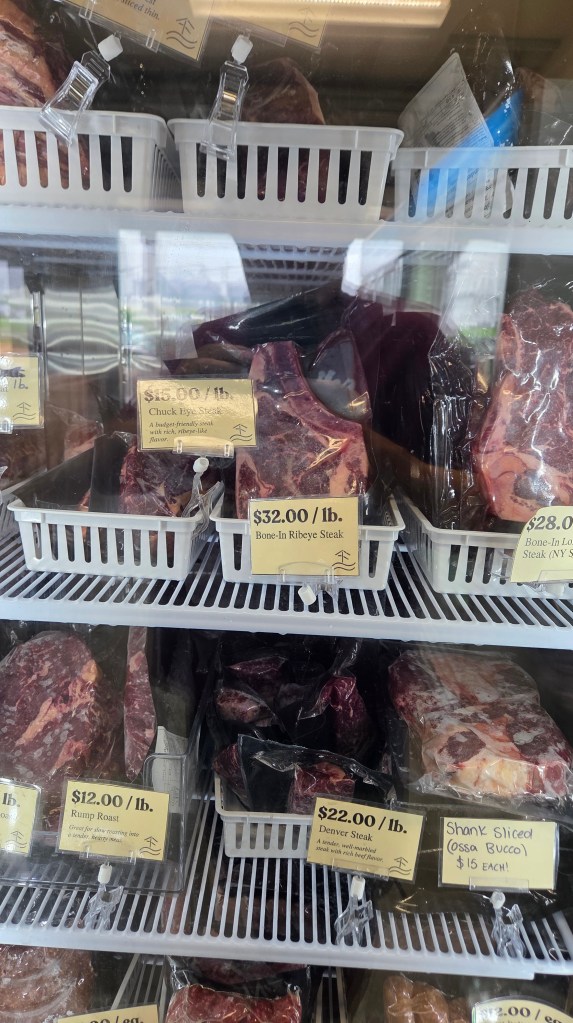
It’s all so incredibly and amazingly convenient, and I’m certainly not giving up grocery stores. The fact remains, though, that our logistics are so finely tuned and “just in time” that if any cog in that machine fails, our grocery store shelves can be empty in just a few days. Picture the bread aisle in Virginia Beach the day before the blizzard arrives. It is a little scary.
Beyond that, something gets lost when food becomes nothing more than another thing we pick up on an errand. “Going to stop by the store, need anything?” “Alexa…add hummus to my Grocery List.”
Growing even a small portion of our own food changes that relationship.
You discover that a carrot takes months.
Cucumbers will take over all the land you give them.
A potato begins with another potato.
Broccoli doesn’t magically appear as a perfect green crown.
Pumpkins require space, water, sunshine, pollinators and an astonishing amount of vine.
Sometimes crops fail.
Sometimes rabbits eat them.
Sometimes bugs arrive before you do.
And sometimes you walk outside, pull dinner out of the dirt and think:
I made that.
Well, technically nature did most of the work.
But I helped. (In my Shake-n-Bake Girl voice.)
Self-Sufficiency Doesn’t Have to Mean Self-Sufficient
Unfortunately, I think we’ve made the idea of self-sufficiency unnecessarily intimidating.
You don’t need 40 acres and a mule.
You don’t need a barn.
You don’t need to raise livestock or give up electricity and start churning butter. (Unless you want to?)
Self-sufficiency can be a tomato plant on an apartment balcony.
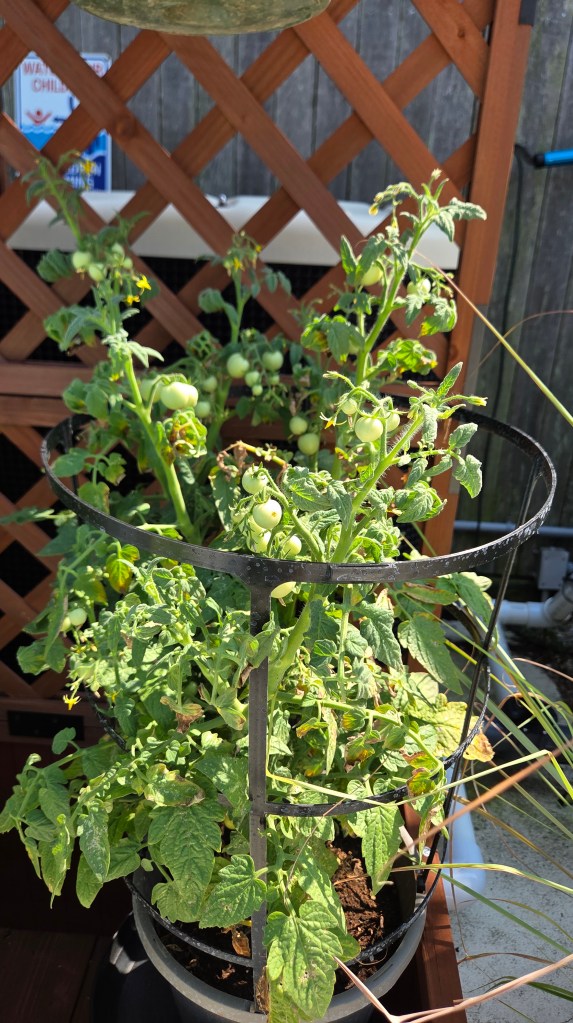
It can be six hens in a suburban backyard.
It can be learning to bake bread from scratch.
It can be growing potatoes in a 15-gallon fabric bag.
It can be planting an apple tree knowing you will wait years for the first apple.
It can be making pickles from cucumbers you grew yourself.
Every one of those things teaches us something our grandparents and great-grandparents largely understood as part of ordinary life:
Food comes from somewhere.
Someone has to grow it.
Someone has to raise it.
Someone has to harvest it.
Someone has to prepare it.
Then There’s Gratitude
That’s where Thanksgiving makes this experiment particularly meaningful to me.
Thanksgiving is supposed to be about gratitude.
It’s remarkably easy to say grace over a table filled with food and hurry along to get to the football game.
It’s a little different when you’ve watched some of that food grow. When you have nurtured it.
I planted these potatoes.
I watered those sweet potatoes through August and covered them every night to keep the rabbits at bay.
I watched that pumpkin develop from seeds my grandchildren pressed into the gound.
I fought the bugs for those green beans.
I planted those tiny carrot seeds and waited and waited and waited.
Suddenly our food represents time.
And work.
And weather.
And soil.
And water.
And a little bit of luck.
And God. (or Earth Mother, Gaia, Pan, Mother Nature, Anima Mundi. It is hard not to feel the presence of a higher power with my hands in the dirt. No matter what name you choose.)
Maybe growing food doesn’t just make us more self-sufficient.
Maybe it makes us more grateful.
105 Days
So that’s the challenge.
Between now and November 26, I’m going to keep asking one question:
How much can I produce for my Thanksgiving table?
Some things will work.
Some undoubtedly will NOT.
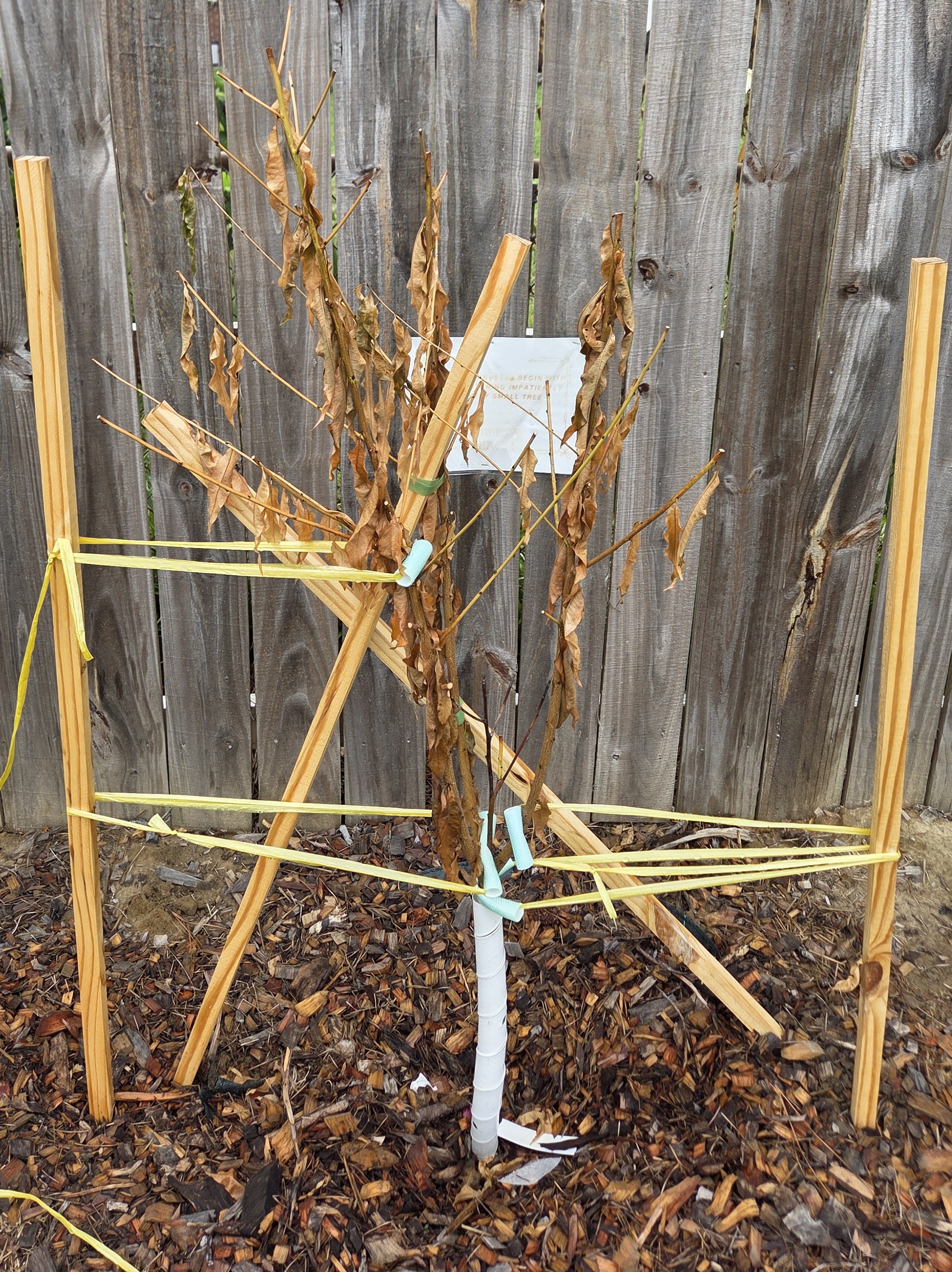
The rabbits will definitely get a vote.
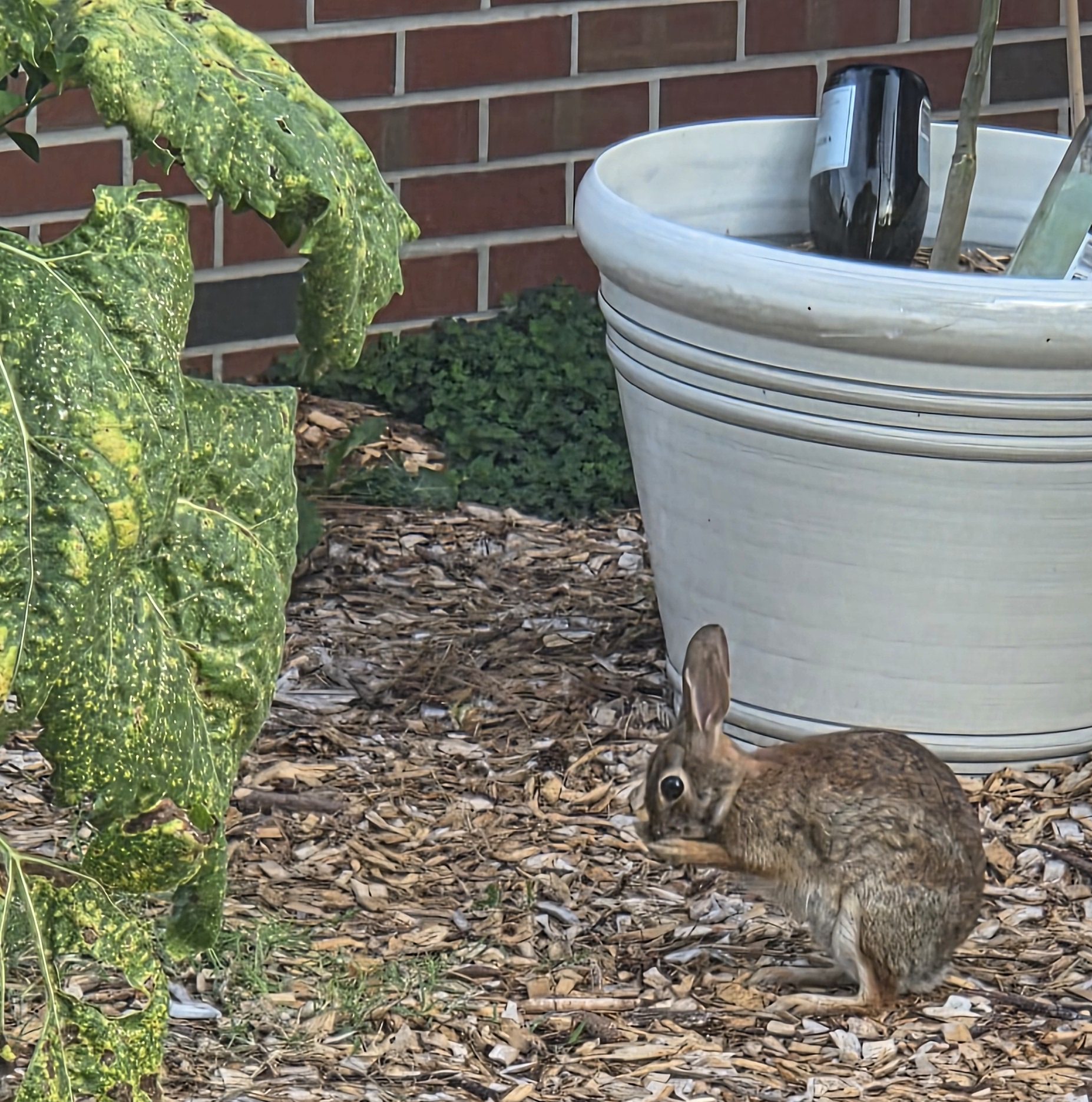
The weather certainly will do what I don’t want it to.
Still, on Thanksgiving Day, we’ll take inventory.
How many things on that table came from our own backyard?
How many were made from scratch?
How much did we learn?
Did knowing where some of our food came from change the way we felt about the meal?
I suspect it will. I hope it will.
Because the Thanksgiving Garden isn’t really about producing dinner.
It’s about understanding just how much goes into producing dinner and being just a little more Thankful for every bite of it.
105 days to go.
Time to plant more carrots.
Tomorrow the Adventure Continues…