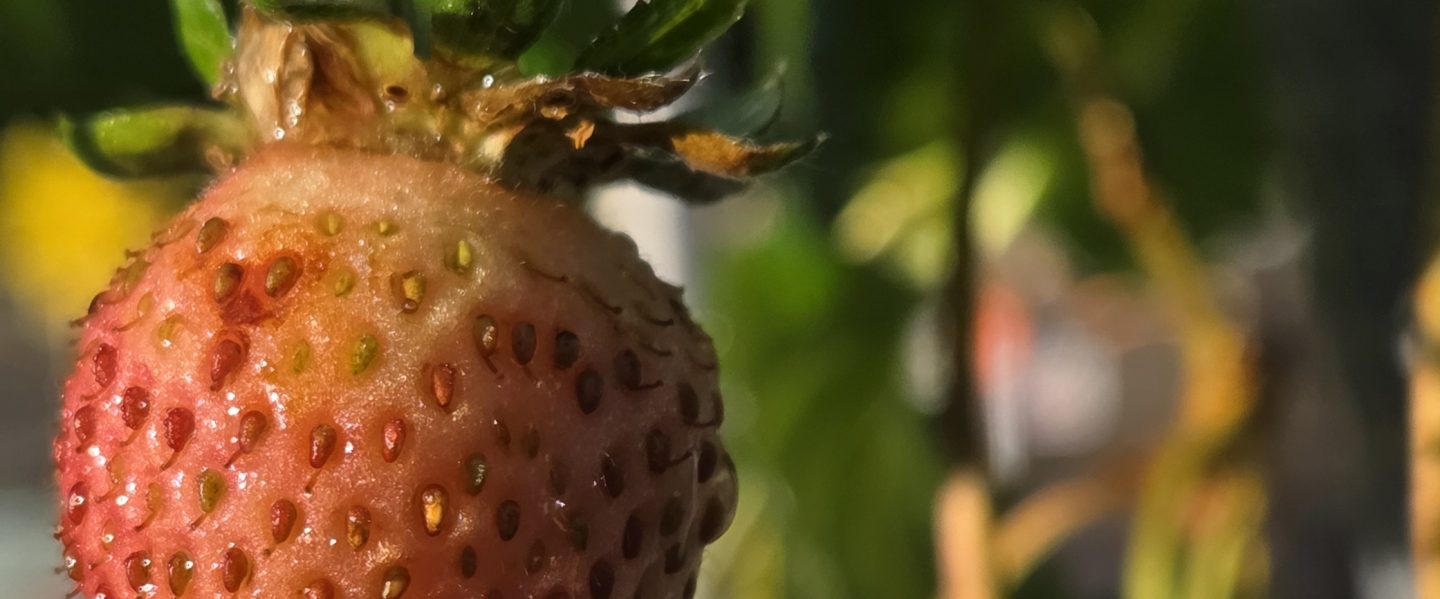
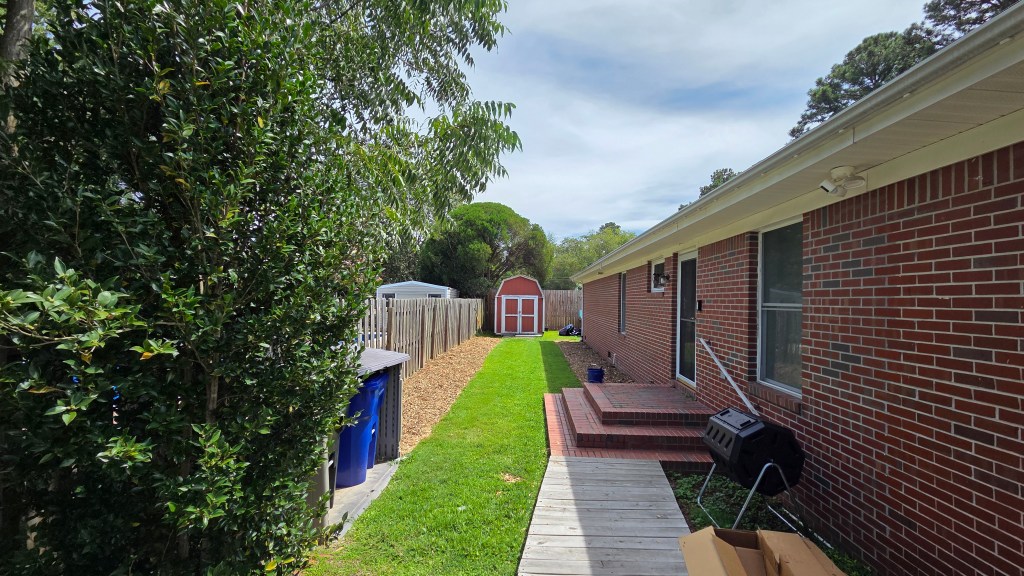
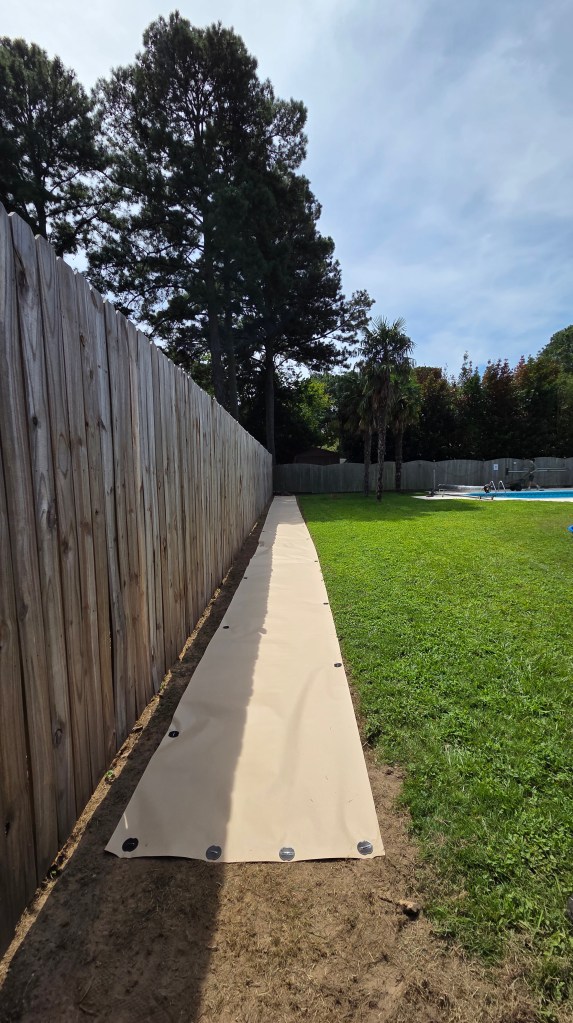
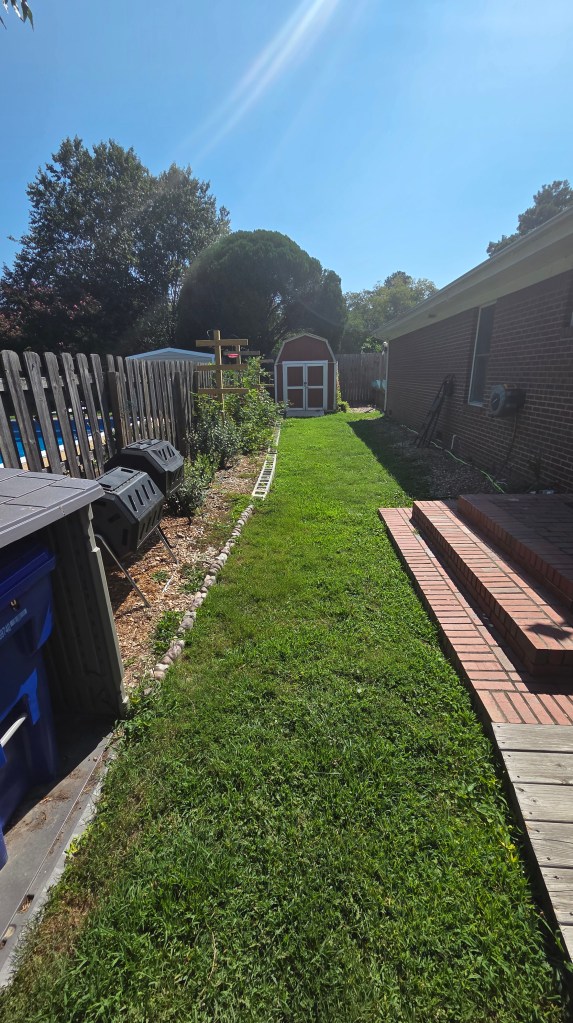
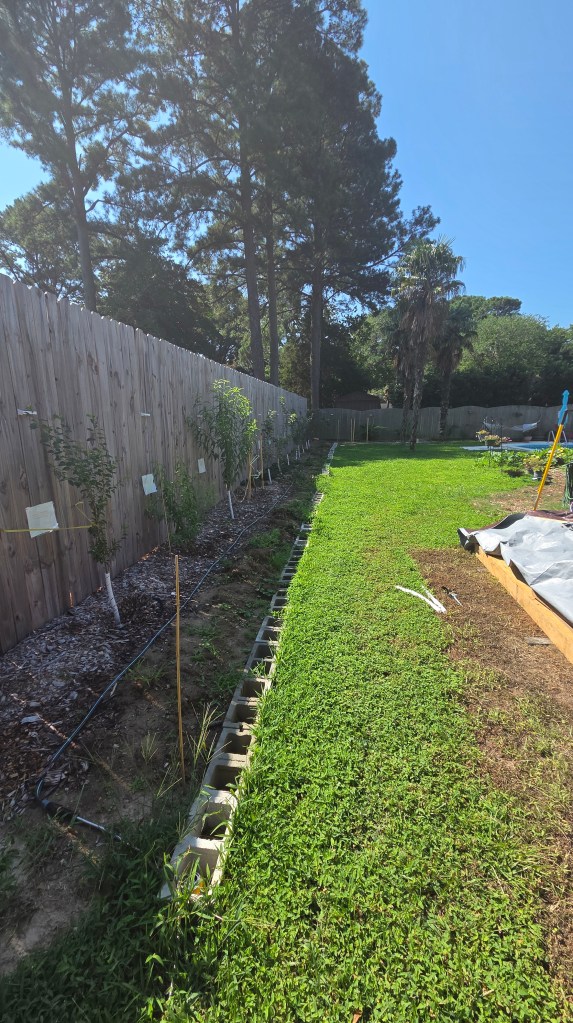
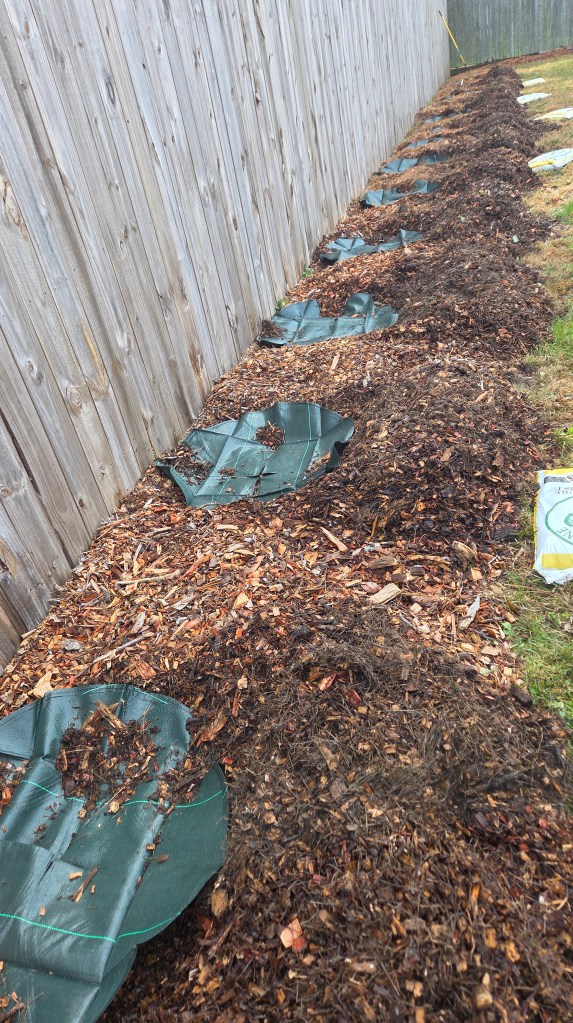
These photos were taken one year and one day apart.
August 30, 2025 and August 31, 2026.
I don’t think I realized how much had changed until the before photo popped up in my memory wall.
A year ago, Buttervale was maintained.
The grass was cut, the bushes were trimmed, the pool was clean. It was a perfectly nice backyard.
Until, we started doing something different.
We started cultivating.
That strip of grass along the fence became an orchard. Apples, peaches, plums and nectarines went in. Then blueberries, blackberries, pineapple guava, cherry trees, artichokes, asparagus, gooseberries, strawberries, figs, citrus trees and bananas found homes around the property.
We added a few raised beds and started growing more of our own food. Potatoes went into bags. Herbs and flowers went into cinderblock holes. Fall vegetables went into the ground and became a Thanksgiving Garden.
We have added native plants and more places for birds, bees, butterflies and hummingbirds.
We started composting more of what we used to throw away.
And, somehow, I became a worm rancher.
There have been plenty of failures mixed in. Plants have died. Things got planted in the wrong place and moved. Rabbits ate things. Bugs ate things. I probably bought too many plants.
But looking at these pictures, I don’t really see the individual projects.
I see a yard beginning to pull its own weight. It’s not just sucking down water and fertilizer to support a monoculture lawn designed to resemble a manicured fairway.
It is alive and thriving.
And we’re nowhere close to finished. There are more trees to train, more beds to plant, a greenhouse to put back together and my little taste of New Hampshire is just beginning to take shape.
That’s probably the biggest change in the past year.
We’re no longer just taking care of what was already here.
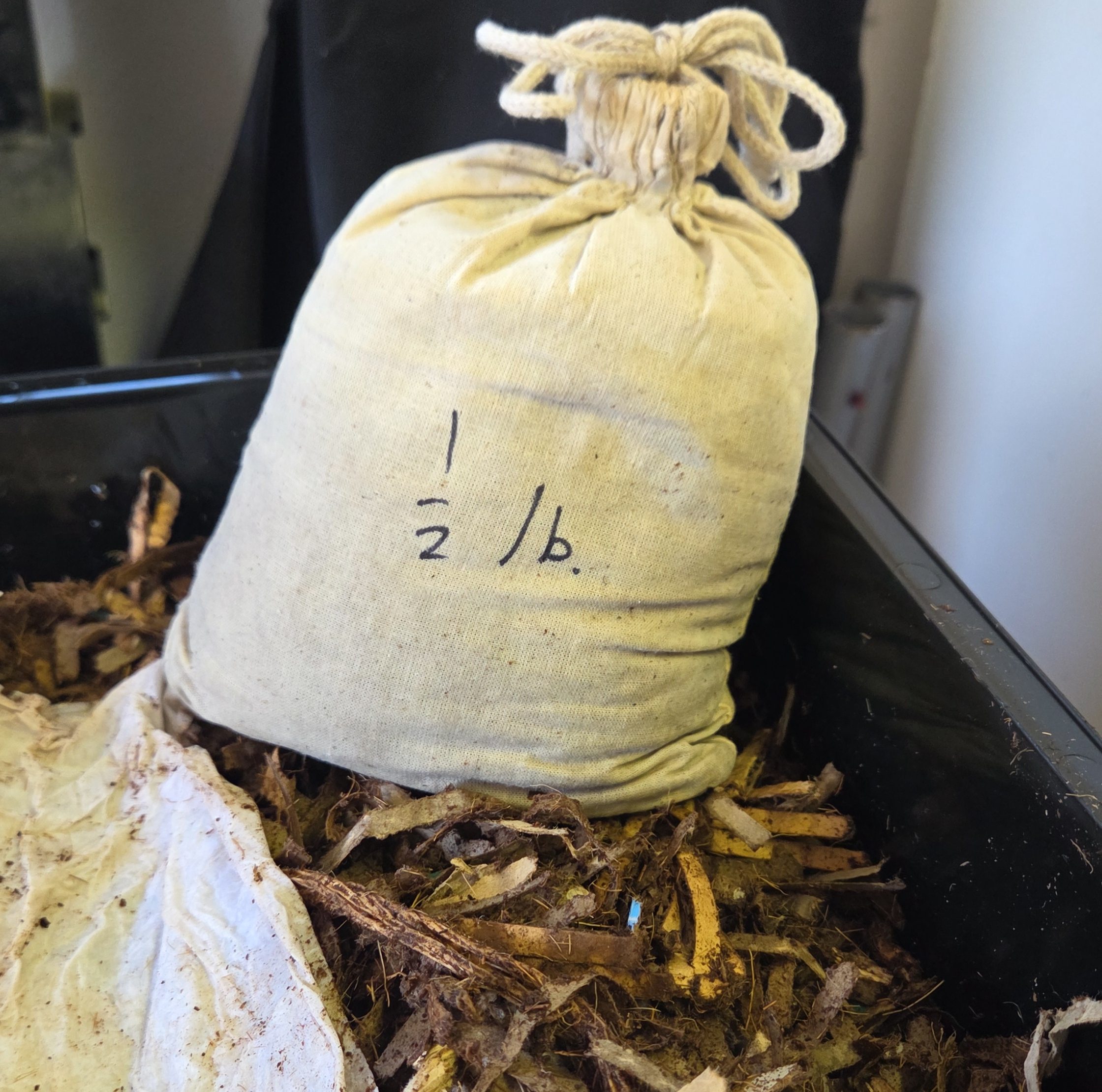
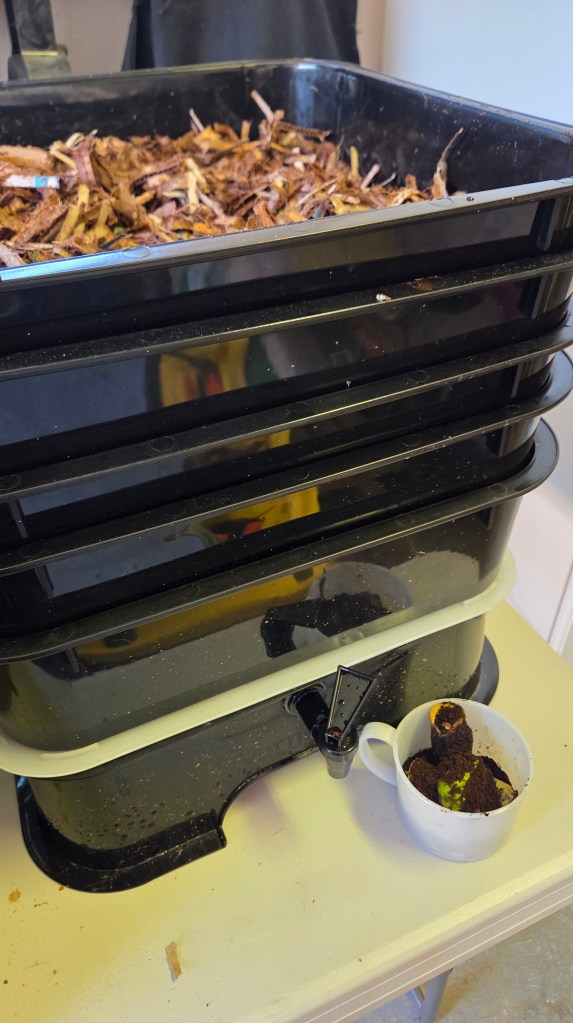
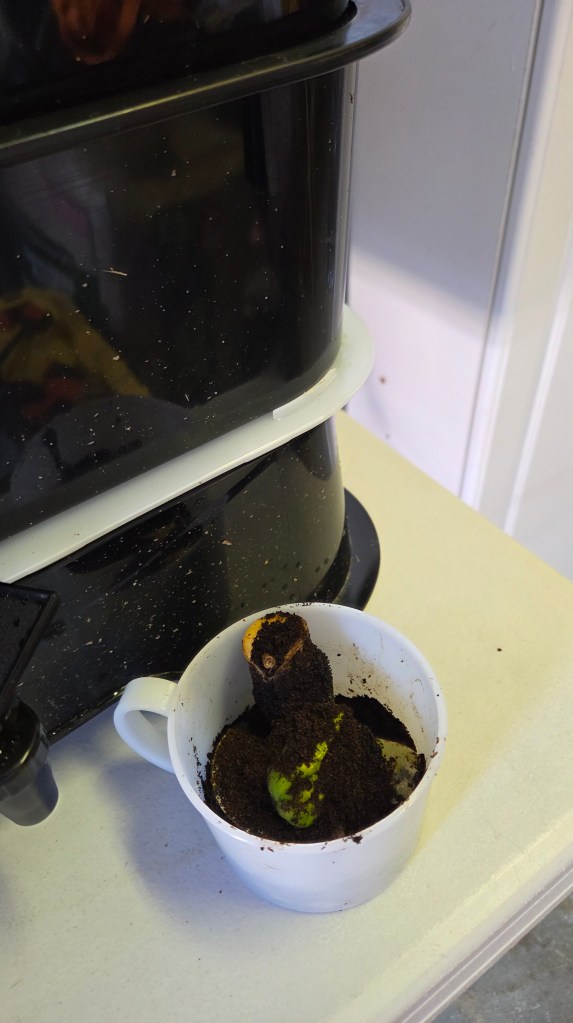
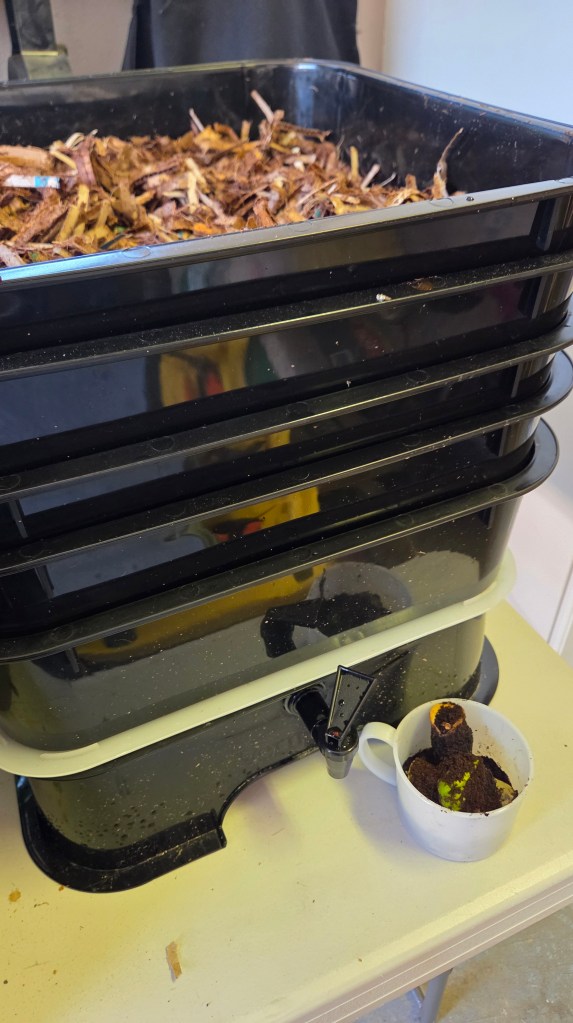
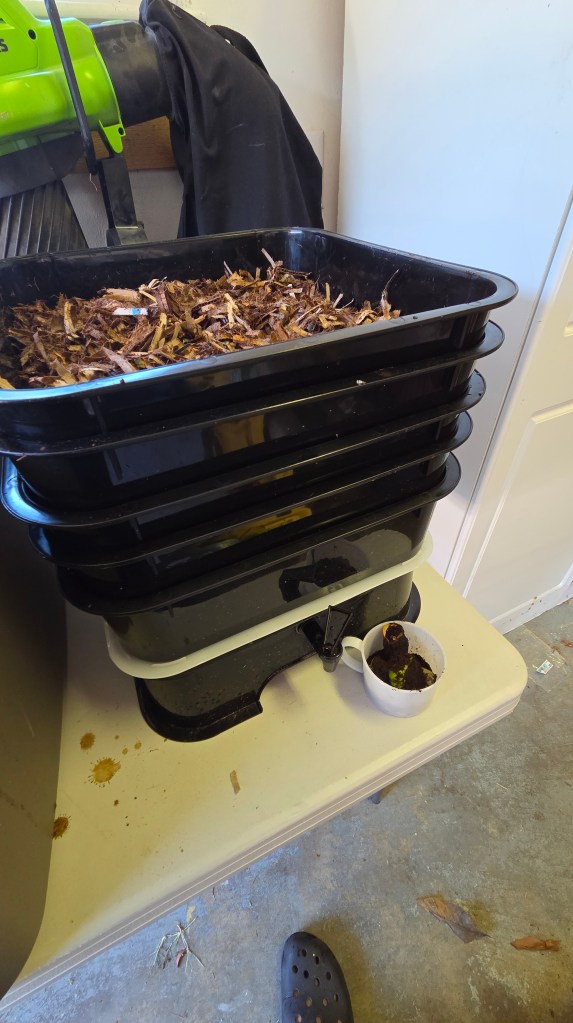
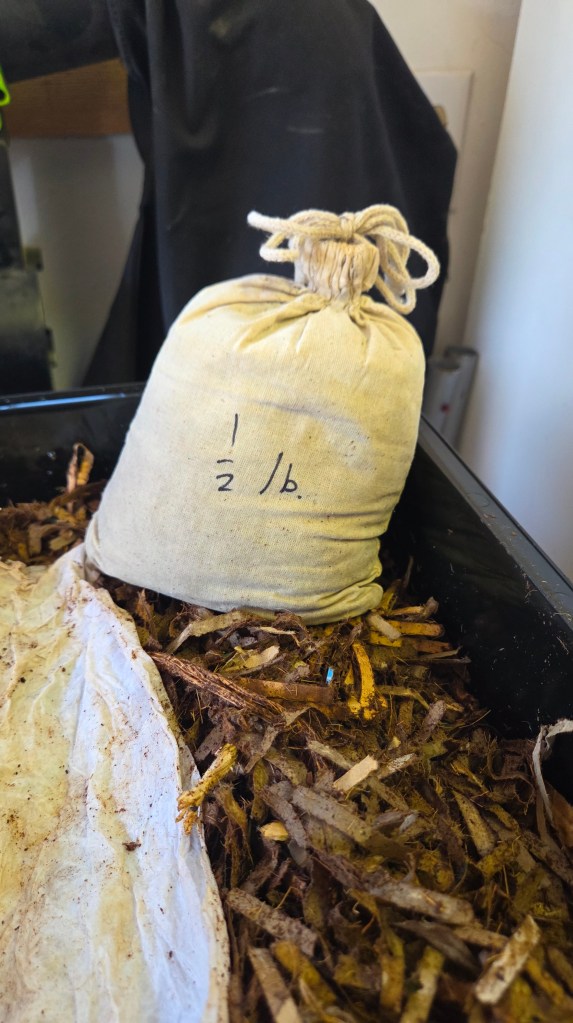
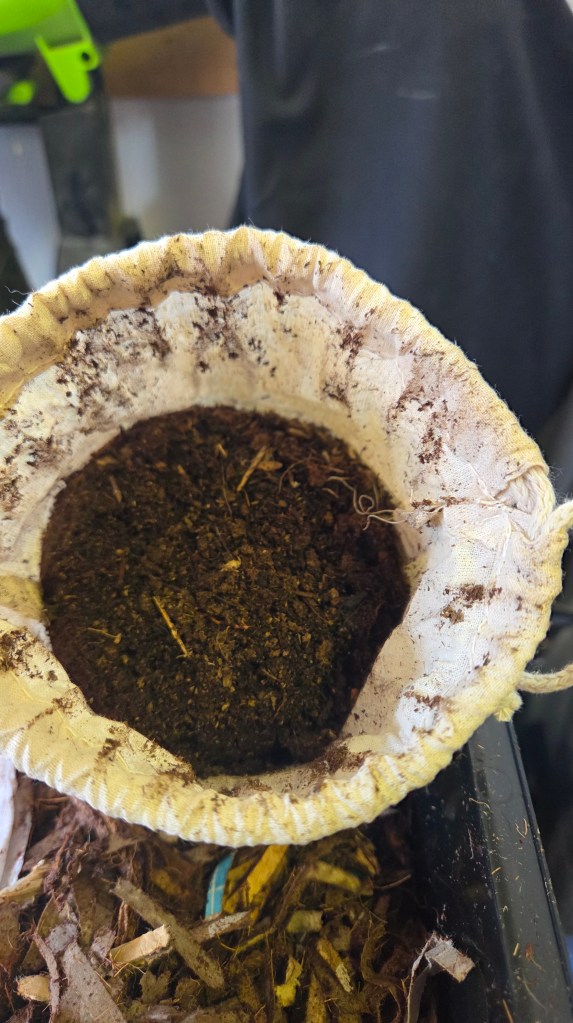
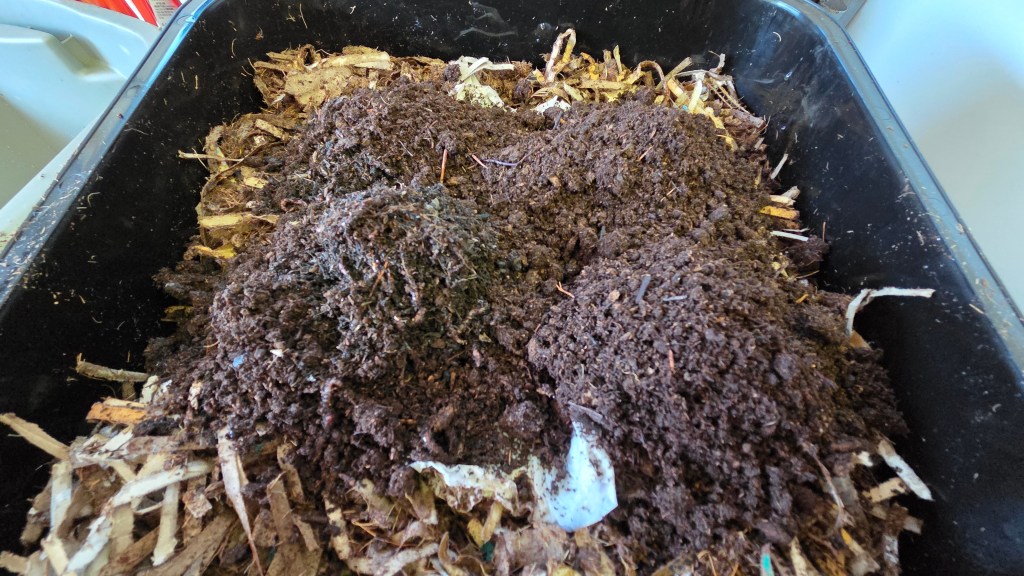
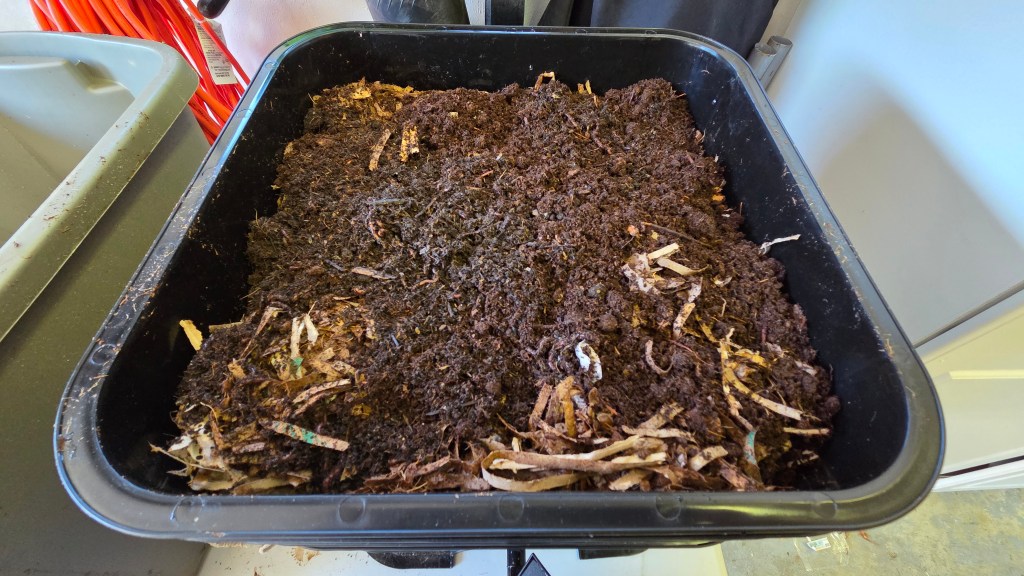
The first residents of the Buttervale Worm Ranch arrived today , about a half-pound of red wigglers, and they are officially moved into their new VermiHut.
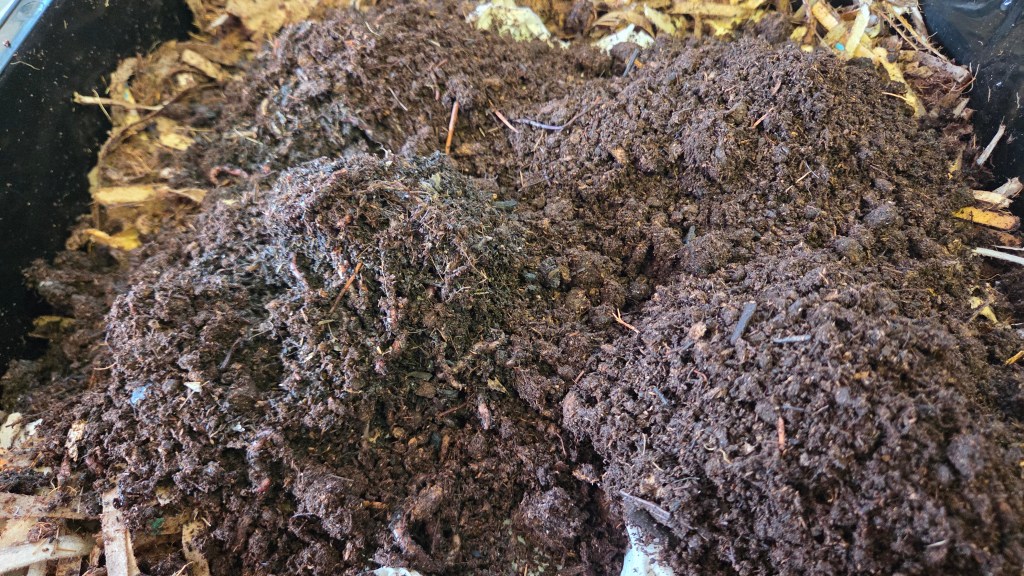
For those unfamiliar with it, vermicomposting is basically composting with a workforce. Instead of waiting for a traditional compost pile to break down, red wiggler worms and the microorganisms living with them process kitchen scraps, cardboard and other organic material and turn it into incredibly rich worm castings.
Worm poop.
We’re harvesting worm poop.
And I’m surprisingly excited about it.
Move-In Day
Instead of sending all of that material out with the trash to the landfill, we’re going to try closing the loop a little bit:
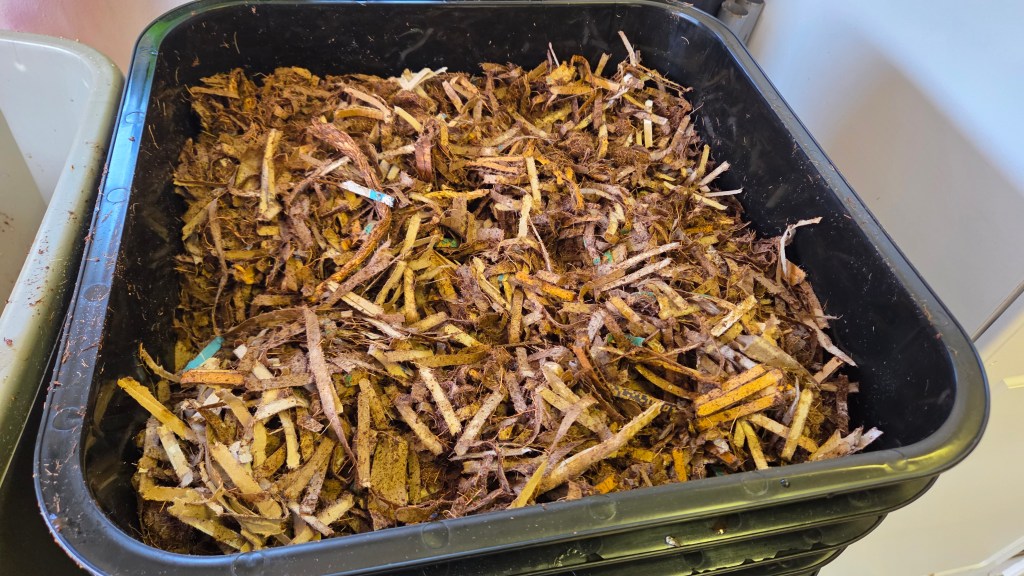
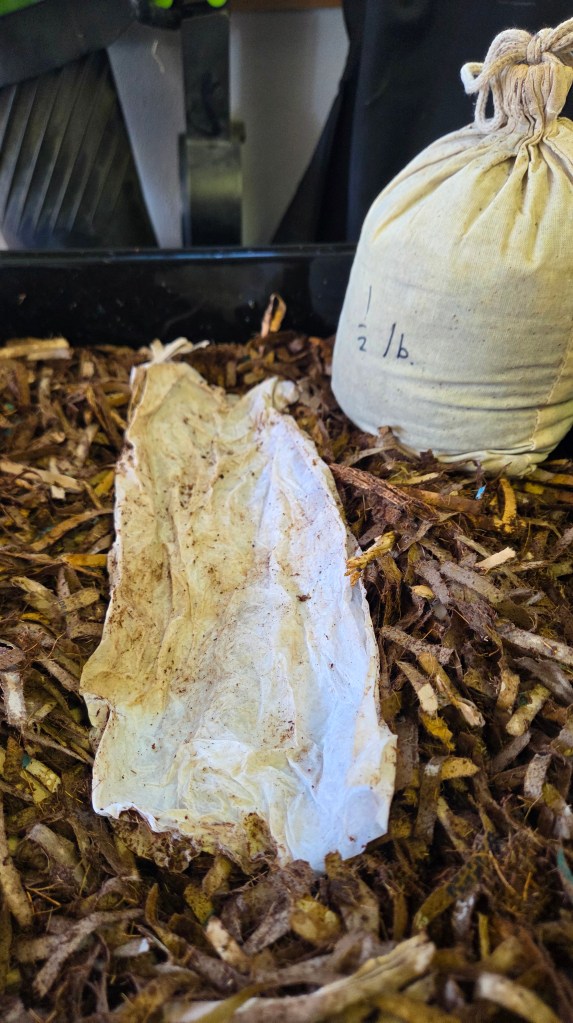
The new VermiHut has several stacking trays. I’ve loaded the lower trays with damp shredded cardboard to start breaking down and becoming biologically active, while our first half-pound of red wigglers gets established in the working tray at the top.
Eventually, as one tray fills with castings, we’ll start feeding in the next one and let the worms migrate through the system.
At least that’s the theory. I saw it on YouTube so it has to work, right?
For now my primary responsibility as a newly minted worm rancher appears to be keeping 500-ish worms comfortable and resisting the urge to feed them everything in the compost bin.
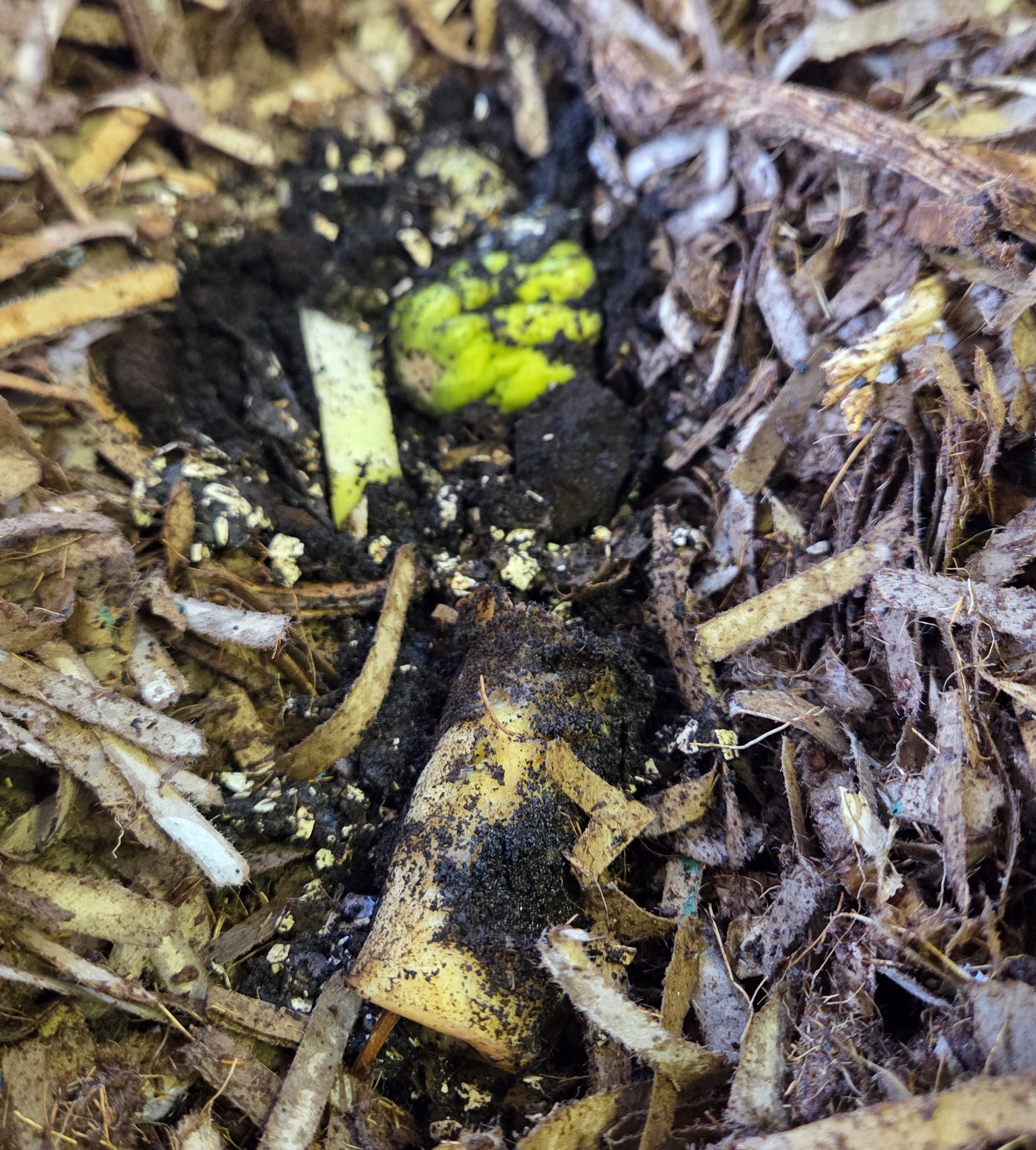
Their first meal, an apple core, some cucumber ends, coffee grounds and crushed egg shells.
Like most ranching, it takes care and patience.
If this works the way I hope, we’ll reduce some household waste, create a steady supply of excellent soil amendment for the gardens, and learn another little piece of building a more productive and sustainable Buttervale.
Worst case?
I now own several hundred worms. If they don’t pull their weight, I can always take them fishing.
Tragedy in the Orchard – It sounds like an Agatha Christie novel.
There are moments in gardening that feel like victories.
And there are moments that just plain hurt.
Today HURT!
This morning I walked out to check on the Buttervale Fence Orchard, coffee in hand, as is my morning ritual and something was off.
I almost didn’t see it.
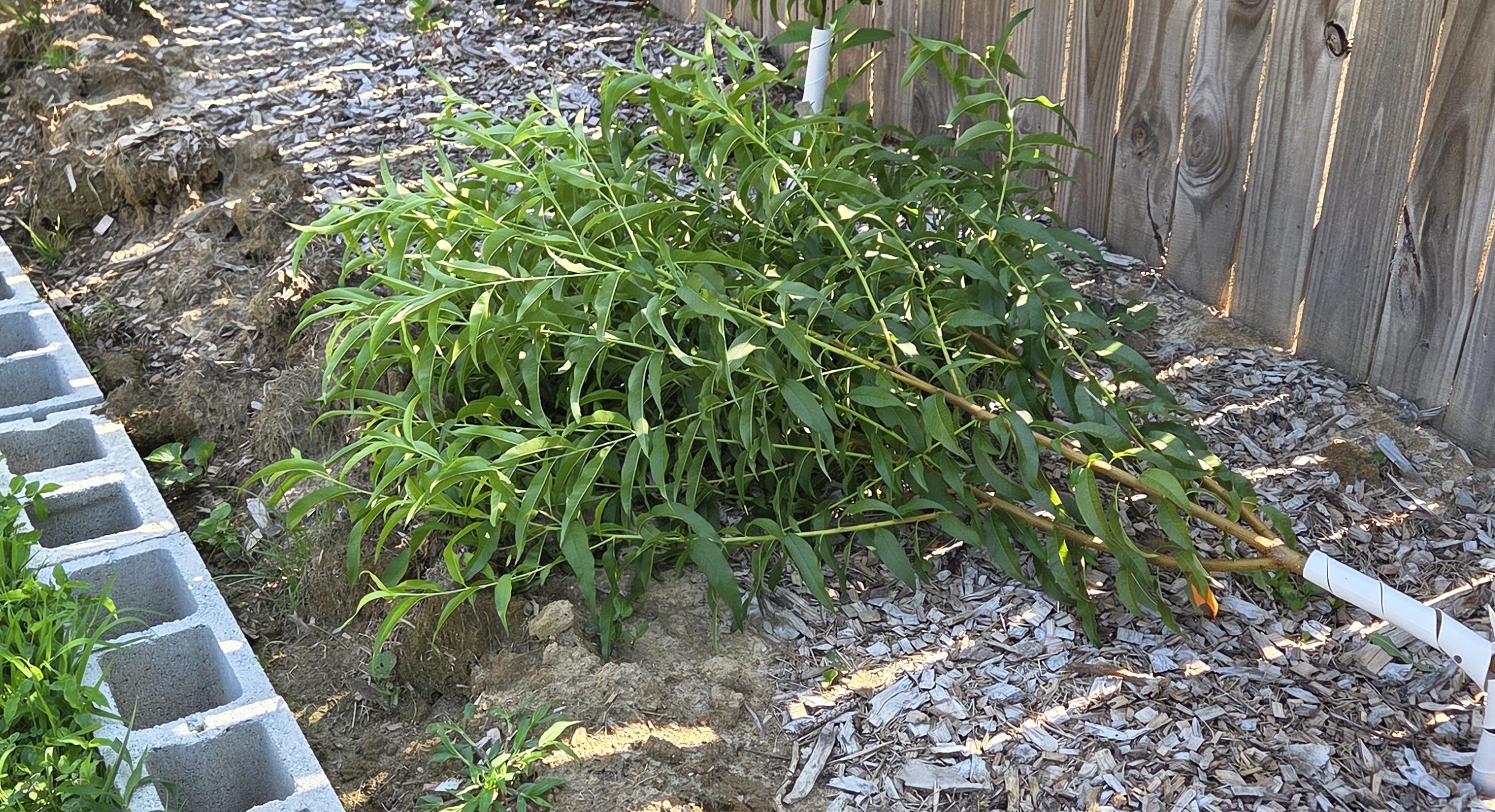
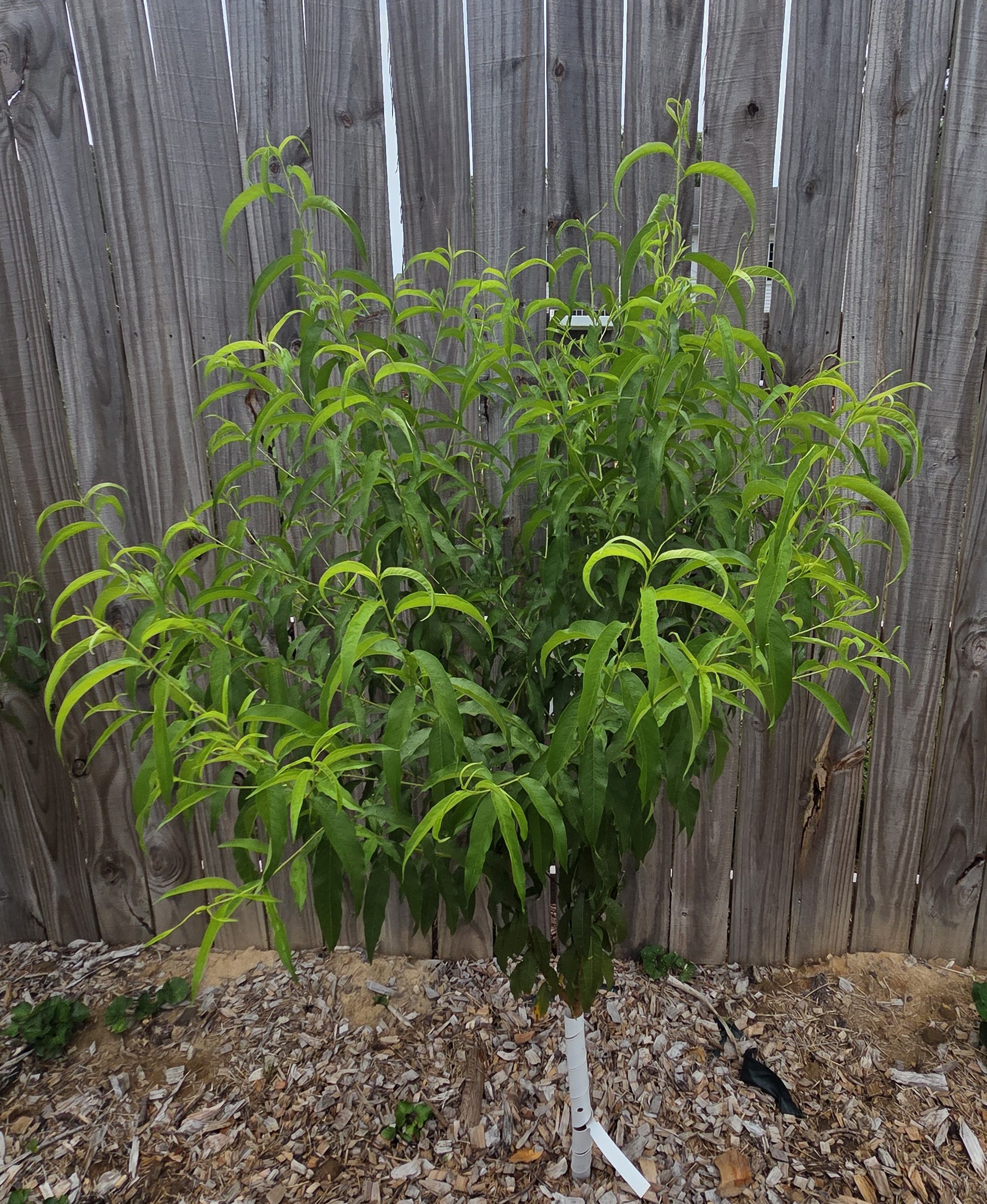
My Elberta peach tree was bent over. Like all the way over, on the ground. I first went to blame the critters, but this was the biggest tree in the line and there is nothing in our yard that could topple a tree. Bunnies, squirrels, crows? Nope.
Maybe wind had simply knocked it sideways.
Then I saw the awful truth and knew exactly who was to blame.
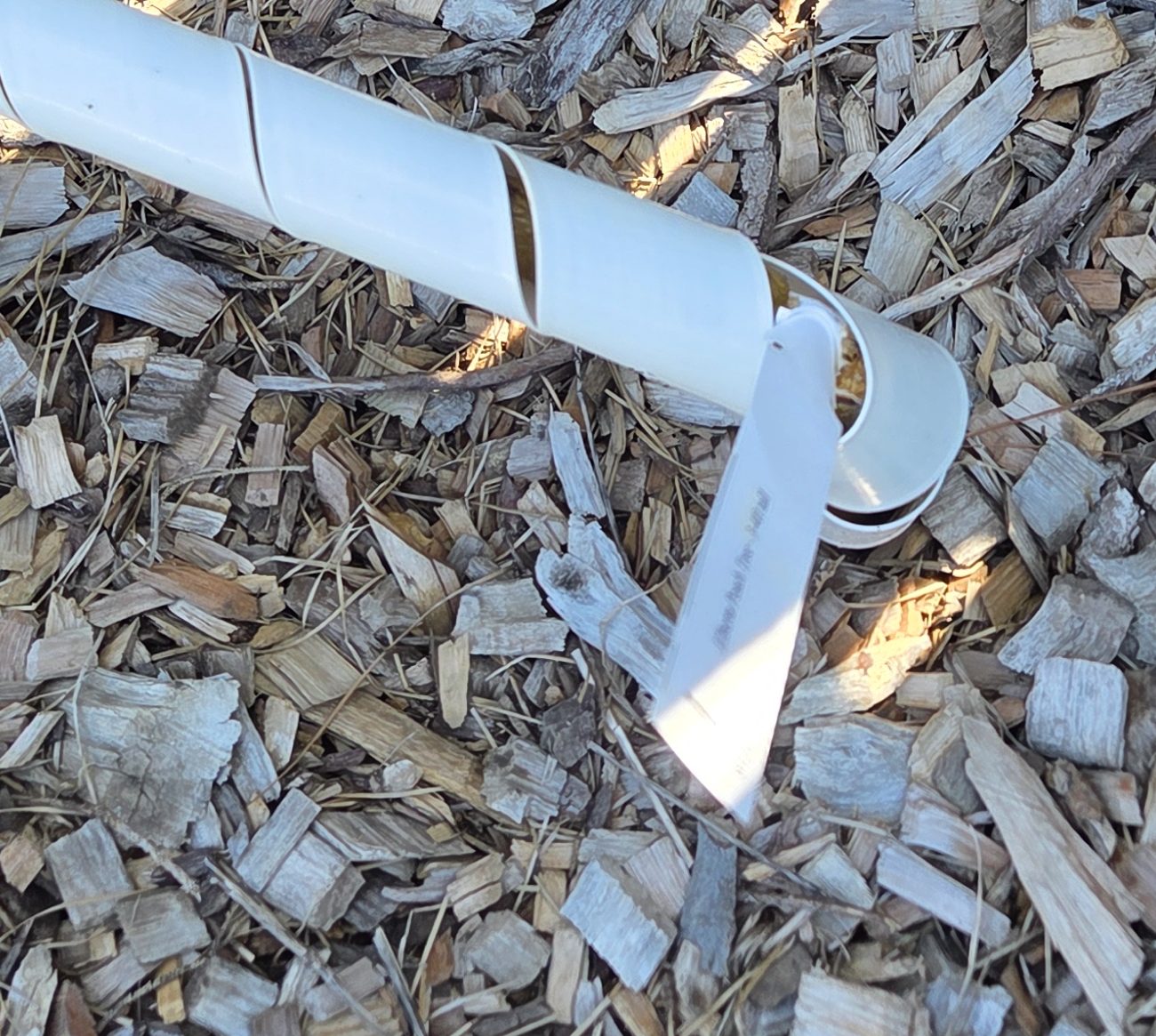
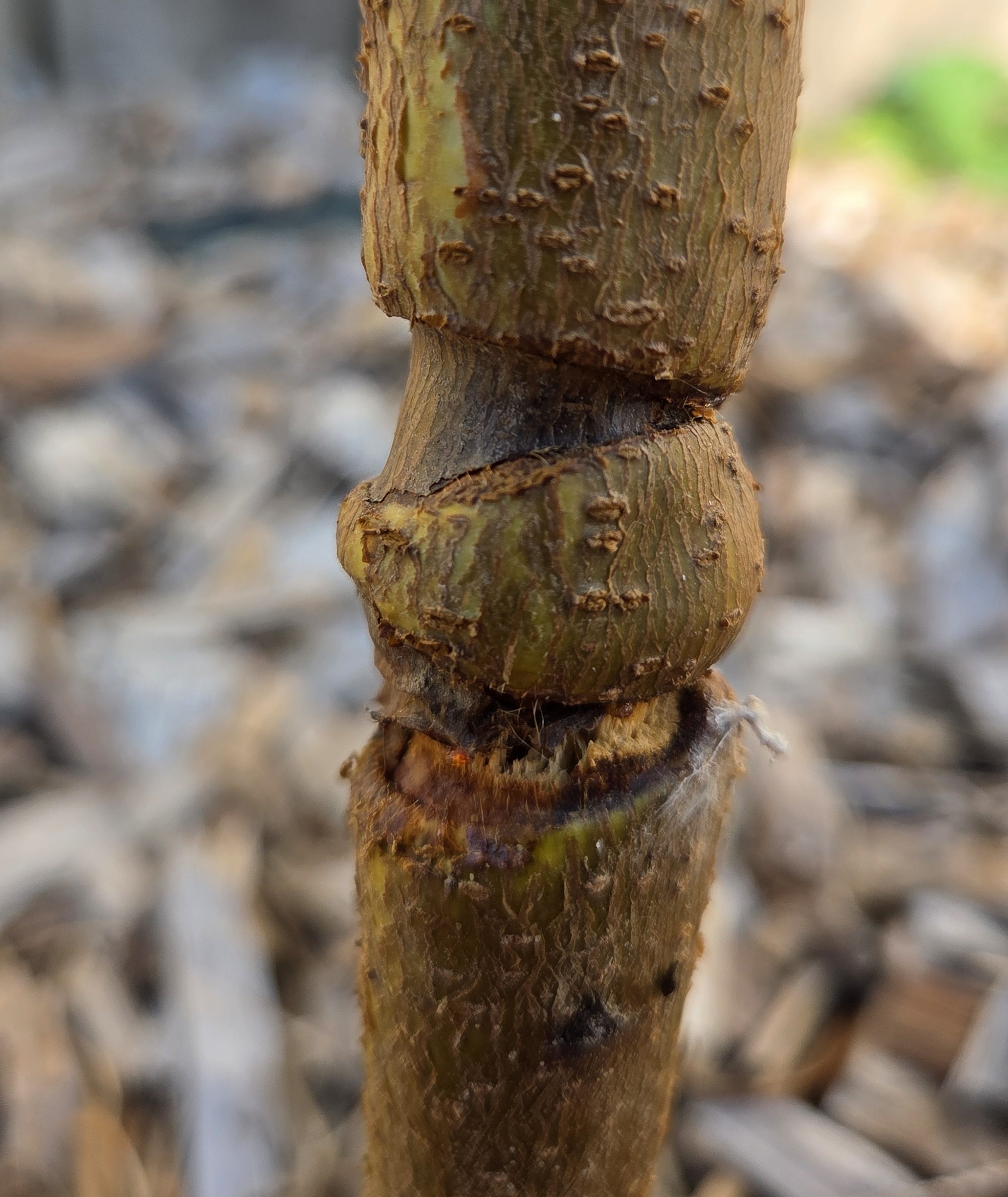
The nursery tag I had decided not to remove had slowly tightened around the trunk as the tree grew.
Planting day it seemed like a plan.
All those dormant, leafless sticks looked the same. It would be handy, so I thought, to leave the label on them.
SPOILER ALERT: I’d advise against it.
It had quietly girdled the tree until the trunk became its weakest point. When a stiff breeze came through, the tree didn’t just bend…
…it broke.
The hardest part is that this wasn’t just another tree.
It was my favorite. Seriously, I mean it this time. It really was my favoirte.
From the day it broke dormancy, this Elberta peach seemed determined to prove something. While the other fruit trees settled in and popped out a leaf or two, this one exploded with growth.
Every day it seemed taller, stronger, and fuller than the last. I found myself checking on it first every time I walked the fence line Lingering just a little longer.
It looked unstoppable.
That’s the irony that stings the most.
The very thing I admired about it, was the thing that sealed its fate.
A slower-growing tree would have taken months before the tag became a problem. My Elberta grew so quickly that it tightened the plastic against its own trunk until the tree nearly strangled itself, little by little, without anyone noticing.
Success became the enemy.
As gardeners, we tend to think the big dangers are storms, insects, drought, disease, or hungry rabbits.
Sometimes the greatest danger is something as small as an ignored piece of plastic. It really did seem like a good idea at the time.
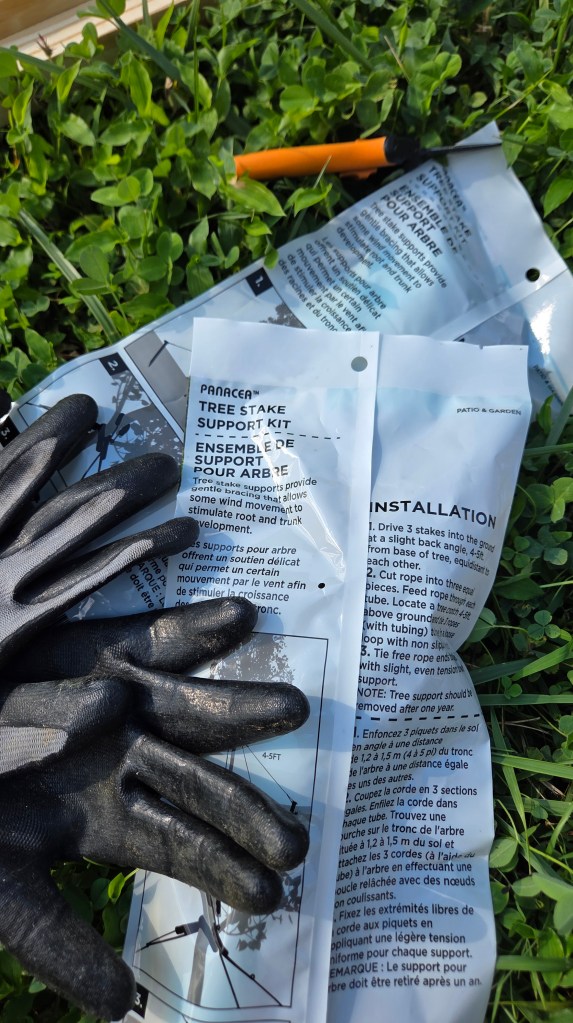
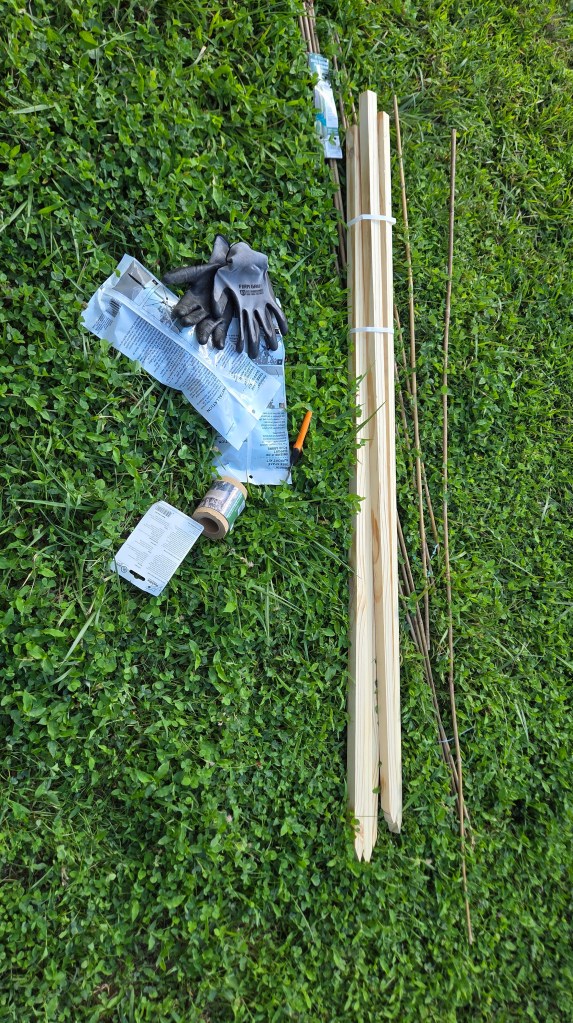
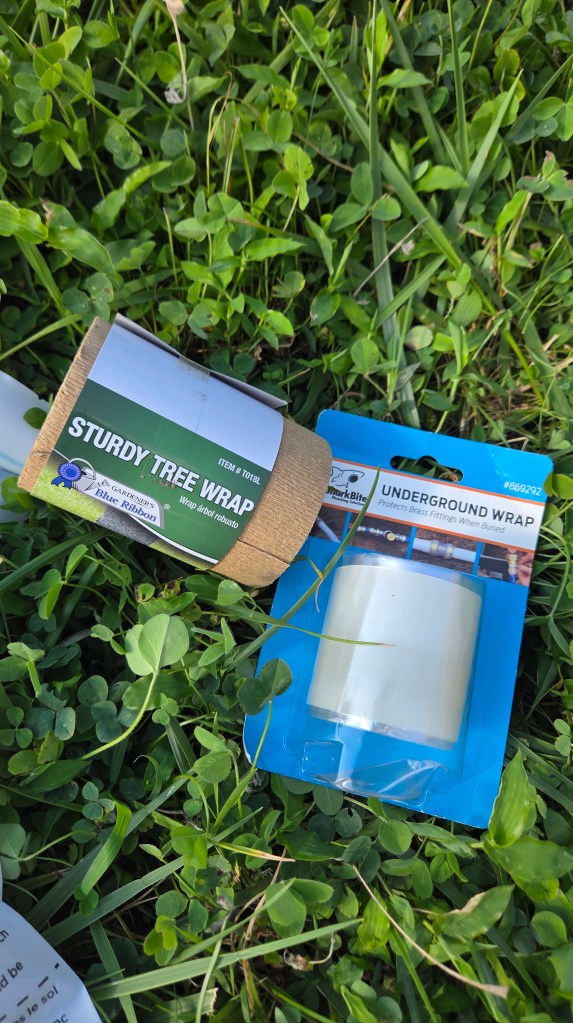
I spent a chunk of today collecting supplies for what amounted to emergency tree surgery.
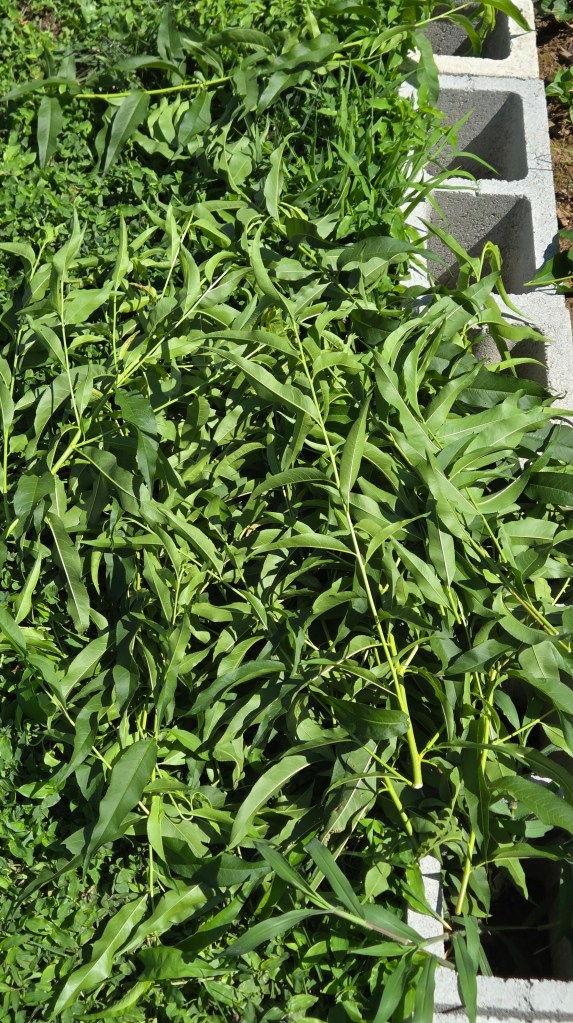
First, we carefully reduced the canopy. Every branch removed meant less weight pulling on the shattered trunk and less “sail” in the air. It felt almost cruel pruning back the very growth I’d been celebrating just days before but it had to be done.
Then came the delicate part.
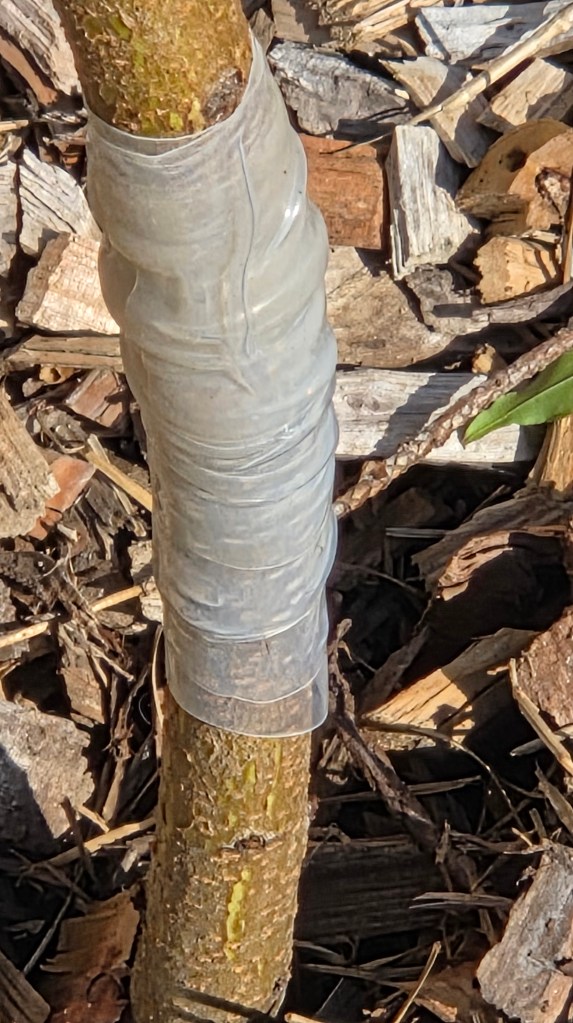
The broken trunk was gently lifted back into alignment until the cambium layers lined up as closely as possible.
The silicone tape was stretched tight and wrapped around the wound, creating a waterproof splint that would hold everything together.
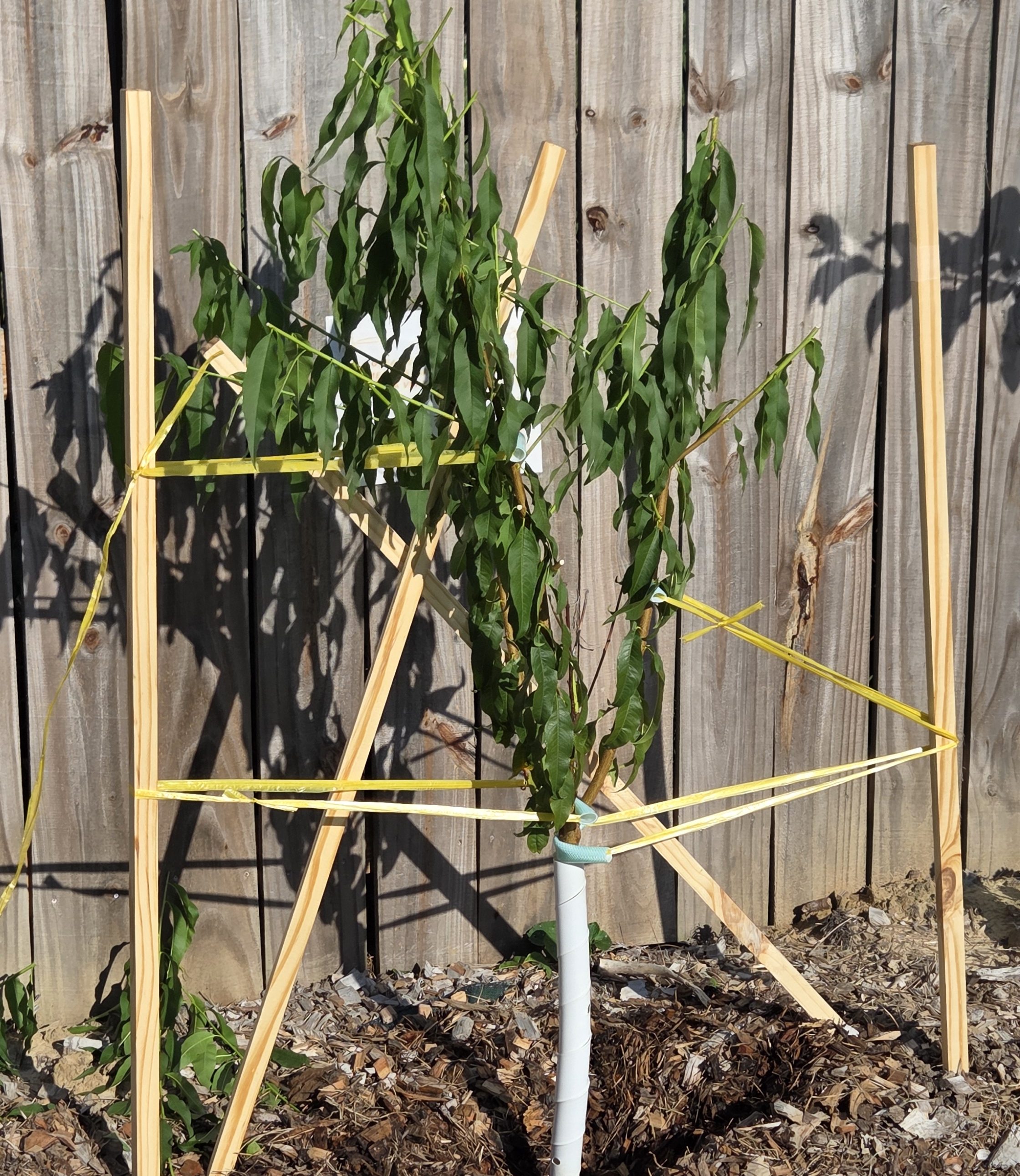
Then we drove some five foot stakes into the ground and built a support system around the tree itself.
Instead of just tying directly to the damaged trunk, padded lines were attached higher in the canopy and anchored to four stakes surrounding the tree. Every connection was cushioned with sections of hose so nothing could rub against the bark.
When we stepped back, our Elberta looked less like a fruit tree and more like a patient in the ICU.
And somehow…
That felt hopeful.
Will it survive?
I honestly don’t know. It will or it won’t so that is 50/50.
I hope it does.
Because I’d love to watch that tree make peaches for my grandchildren someday. Except the boy grandchild who inexplicably seems to hate all FRUIT. Go figure. Maybe it’s just a phase.
If it is the little tree that could and makes it to adulthood, that scar will stay with it forever.
I’m okay with that.
That scar remind me that orchards get stronger from the battle.
Trees that fight the wind have deeper roots.
Today’s lesson, check every single fruit tree in the orchard and remove every nursery tag and never plant a tree again with the tag in place. Got it.
One painful lesson may have just saved the rest of the orchard.
So here’s my advice to anyone planting young trees this season.